
 EN
EN
 ar
ar bg
bg hr
hr cs
cs da
da nl
nl fi
fi fr
fr de
de el
el hi
hi it
it ko
ko no
no pl
pl pt
pt ro
ro ru
ru es
es sv
sv tl
tl iw
iw id
id lv
lv lt
lt sr
sr sk
sk sl
sl uk
uk vi
vi et
et hu
hu th
th tr
tr fa
fa ms
ms hy
hy ka
ka ur
ur bn
bn mn
mn ta
ta kk
kk uz
uz ku
ku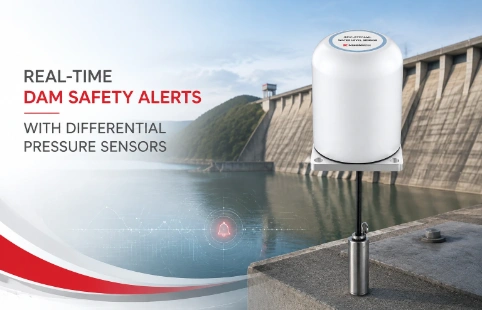
Real-Time Dam Safety Alerts with Differential Pressure Water Level Sensors
Key Takeaways An alert chain needs more than a sensor: define field in...

Vibration Sensors That Turn Machine Data into Maintenance Decisions
When a single motor bearing fails on a packaging line, the cost isn’t just the replacement part – it’s the hours of unplanned downtime and scrapped product. Most of these failures leave a trail: a subtle rise in vibration weeks before the breakdown. Catching that signal early is what separates reactive repair from real reliability. Vibration sensors for industrial applications are how you read that trail, converting mechanical motion into actionable electrical signals. At Kingmach, we build sensors that fit this reality – not lab-perfect, but tough enough for dusty conveyors, washdown areas, and 24/7 processing equipment. Our range covers accelerometers, velocity sensors, and 4-20mA loop-powered units that plug straight into PLCs and SCADA systems. Rather than pushing a one-size-fits-all lineup, we work with maintenance teams to match sensor type, mounting, and output to the actual machine and failure modes they care about. This page lays out what to look for when you’re adding vibration monitoring to a plant, and how our approach supports predictive strategies without overcomplicating the installation.
Technical Detail
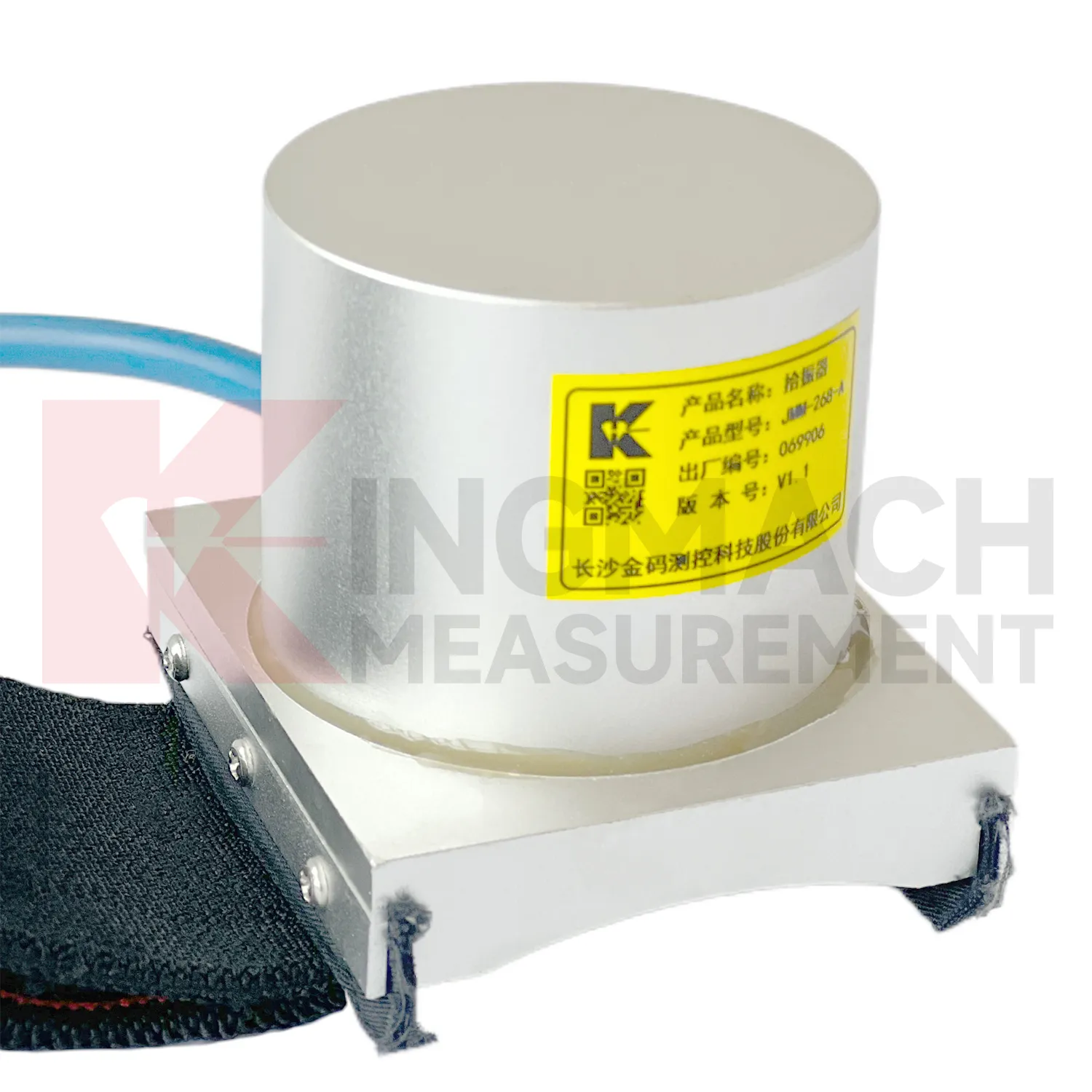
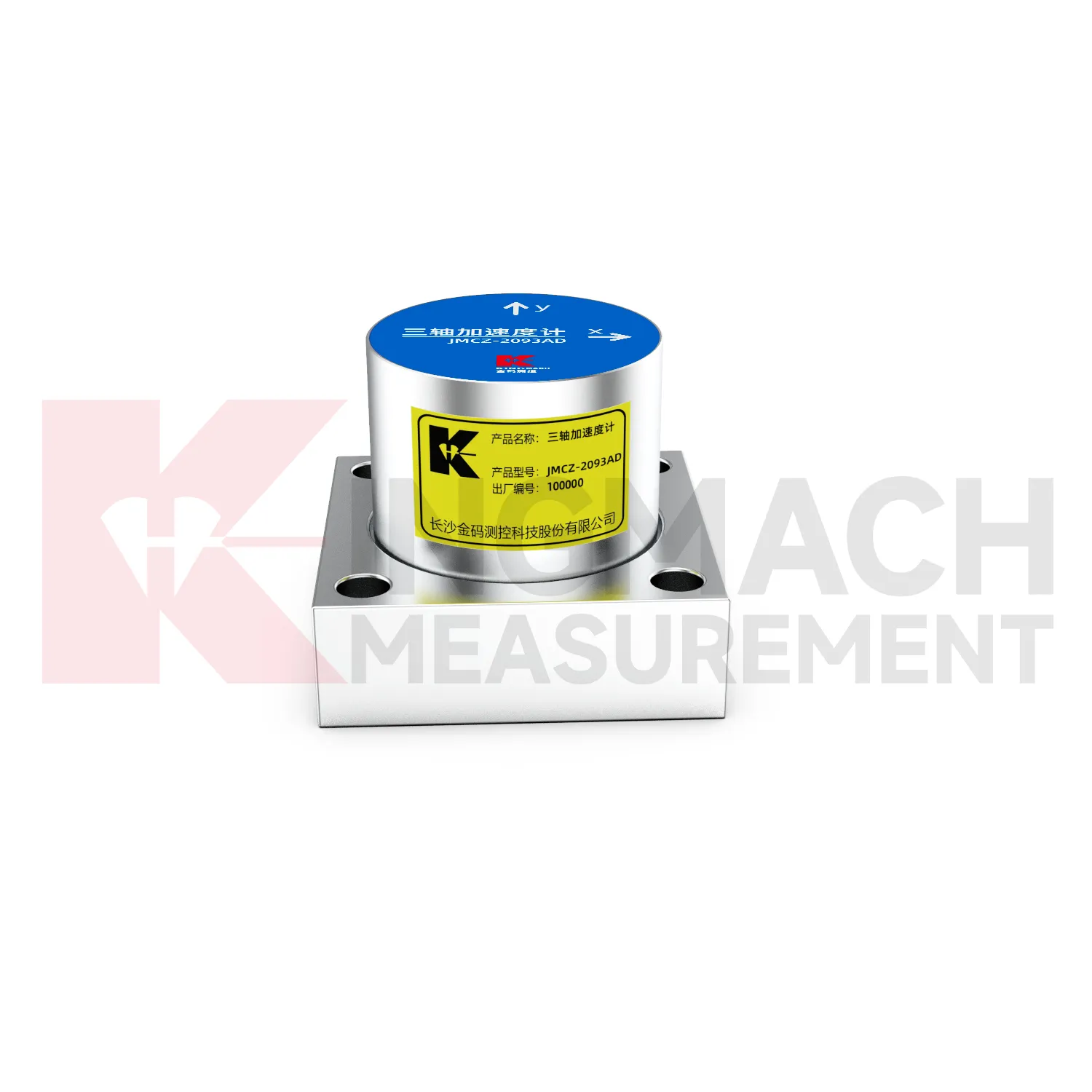
Vibration sensors are the front end of any condition monitoring system. They capture oscillations from rotating shafts, gears, and housings, then feed that data back for analysis. In industrial settings, the sensor itself has to survive the same harsh conditions as the machine it watches – temperature swings, moisture, electrical noise, and physical shock. Kingmach designs its industrial vibration sensors around these constraints, drawing on years of work in geotechnical and structural monitoring where reliability isn’t optional. Our portfolio includes IEPE accelerometers with standard sensitivity like 100 mV/g, which are common for pump and fan monitoring, as well as lower-cost moving-coil velocity sensors that output directly in mm/s for simple trending. We also offer 4-20mA vibration transmitters that bypass the need for separate signal conditioners – you wire them directly to a DCS input and get a trending signal for overall vibration levels. Because not every application is the same, customization is a core part of what we do: different cable lengths, connector types, mounting options, and even specific frequency response tweaks for low-speed machines. Our technical support teams in key regions help with installation guidelines and sensor selection, especially when dealing with problematic environments like high EMI zones or areas requiring intrinsically safe sensors. Through a global distribution network, we deliver these sensors with the documentation and after-sales service that maintenance engineers expect. While we’re not a premium high-end brand, our focus is on practical, repeatable measurements that fit standard industrial protocols. Whether you’re retrofitting older assets or building a new condition monitoring system, starting with the right sensor avoids the garbage-in, garbage-out trap that undercuts reliability programs.
News
Key Takeaways An alert chain needs more than a sensor: define field in...
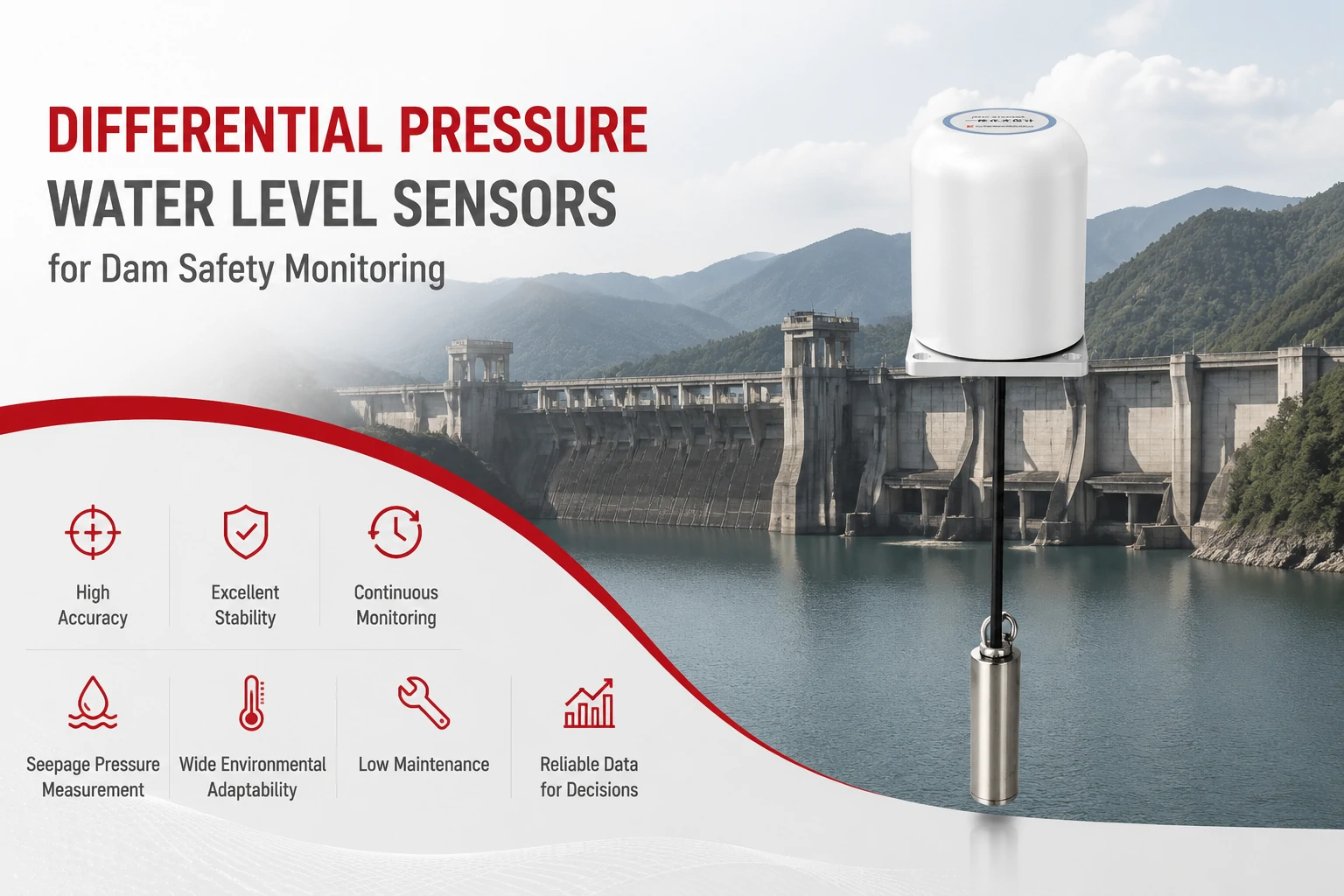
Key Takeaways The strongest fit is usually a confined, submerged, or s...
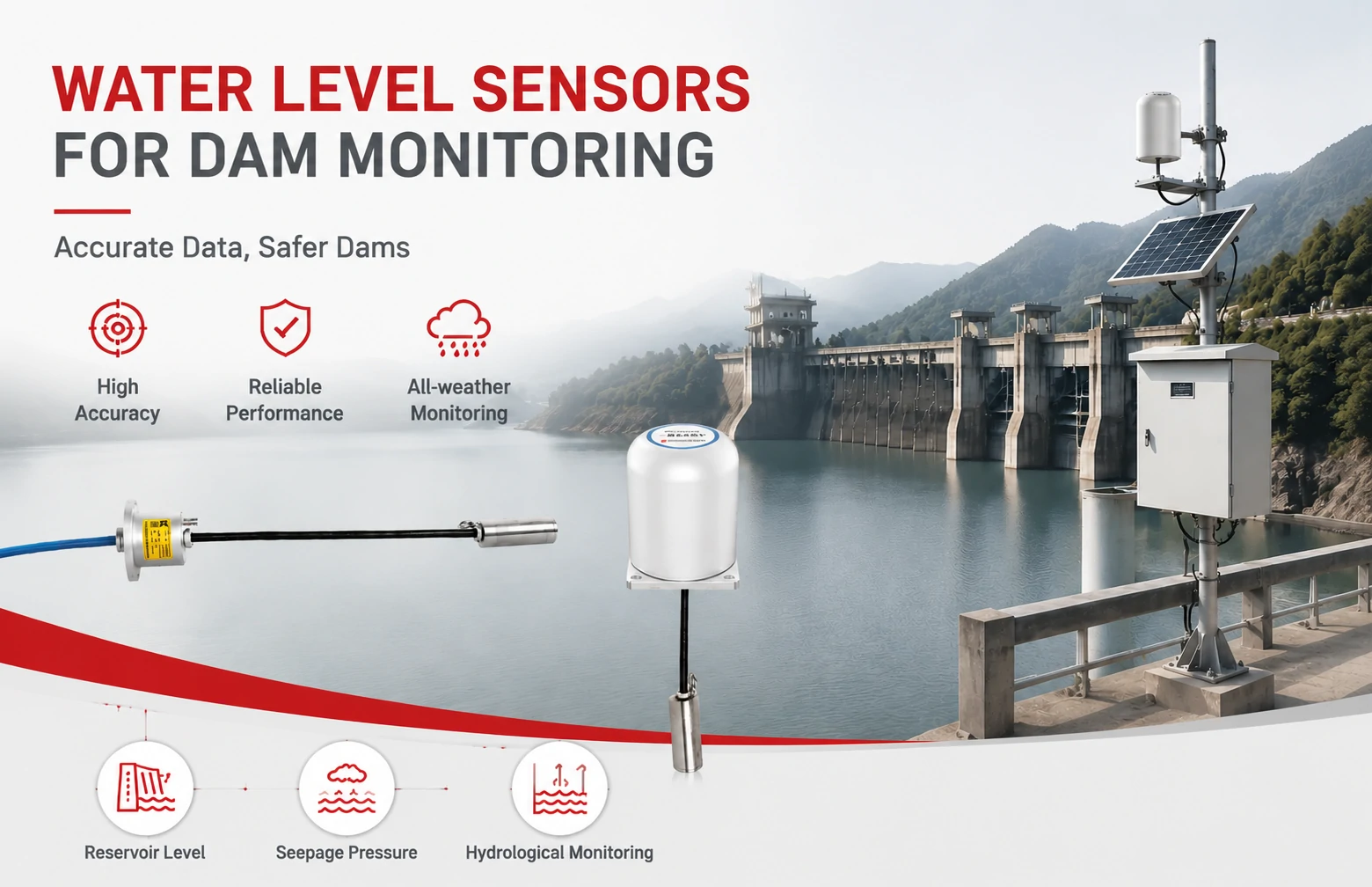
Kingmach Water Level Sensors for Dam Monitoring: A Buyer's Guide to Differential Pre...
Products
FAQ
It depends on the pump’s speed and what you’re trying to detect. For general overall vibration trending on a medium-speed pump (900–3600 RPM), a 4-20mA velocity sensor or simple loop-powered accelerometer is often enough and easy to connect to existing controllers. If you need detailed spectral data for bearing fault analysis, you’d likely choose an IEPE accelerometer with a flat frequency response up to 5–10 kHz. We often recommend checking the pump’s bearing type and failure history before deciding.
Yes, we provide sensors with IP67 and IP68 sealing options that stand up to washdowns, high humidity, and heavy dust. Cable entry points are a weak spot for any sensor, so we offer molded cable assemblies and potted connectors to block moisture ingress. For extremely corrosive atmospheres, we can supply stainless steel housings and special cable jackets.
Many of our moving-coil velocity sensors and some of our 4-20mA transmitters are scaled to output directly in mm/s RMS. This simplifies integration because the PLC doesn’t need to perform integration from acceleration. Just wire the sensor into an analog input card and set up the scaling – it’s a quick way to get trending on legacy machines.
Absolutely. Customization is one of our strengths. You can specify cable lengths, connector types (M12, MIL-spec, or others), and even request specific mounting hardware. We usually work from a standard platform and then adapt to your project requirements. Lead times depend on quantity, but we keep the process straightforward.
For very low RPM machines (below 120 RPM), the vibration amplitudes are often small and at low frequencies. Velocity sensors with high sensitivity can work down to about 2 Hz. Accelerometers, especially those with low-noise electronics and good low-frequency response (e.g., 0.5 Hz or lower), can pick up sub-synchronous vibrations. We can help you select based on the expected fault frequencies and ambient noise floors in your plant.
Share your product type, target capacity, and application requirements. Our team can review the details and recommend a practical next step.
If you are interested in our products or want to become our partner.
Please leave your contact information, our team will contact you as soon as possible.
Mail: [email protected]
Contact Us: +8613808434127
Address: No. 188 Tongzipo West Rd, Changsha, Hunan, China