
 EN
EN
 ar
ar bg
bg hr
hr cs
cs da
da nl
nl fi
fi fr
fr de
de el
el hi
hi it
it ko
ko no
no pl
pl pt
pt ro
ro ru
ru es
es sv
sv tl
tl iw
iw id
id lv
lv lt
lt sr
sr sk
sk sl
sl uk
uk vi
vi et
et hu
hu th
th tr
tr fa
fa ms
ms hy
hy ka
ka ur
ur bn
bn mn
mn ta
ta kk
kk uz
uz ku
ku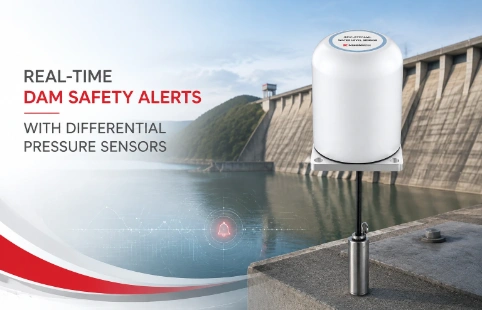
Real-Time Dam Safety Alerts with Differential Pressure Water Level Sensors
Key Takeaways An alert chain needs more than a sensor: define field in...

Industrial Vibration Sensors: Tailored for Your Monitoring Needs
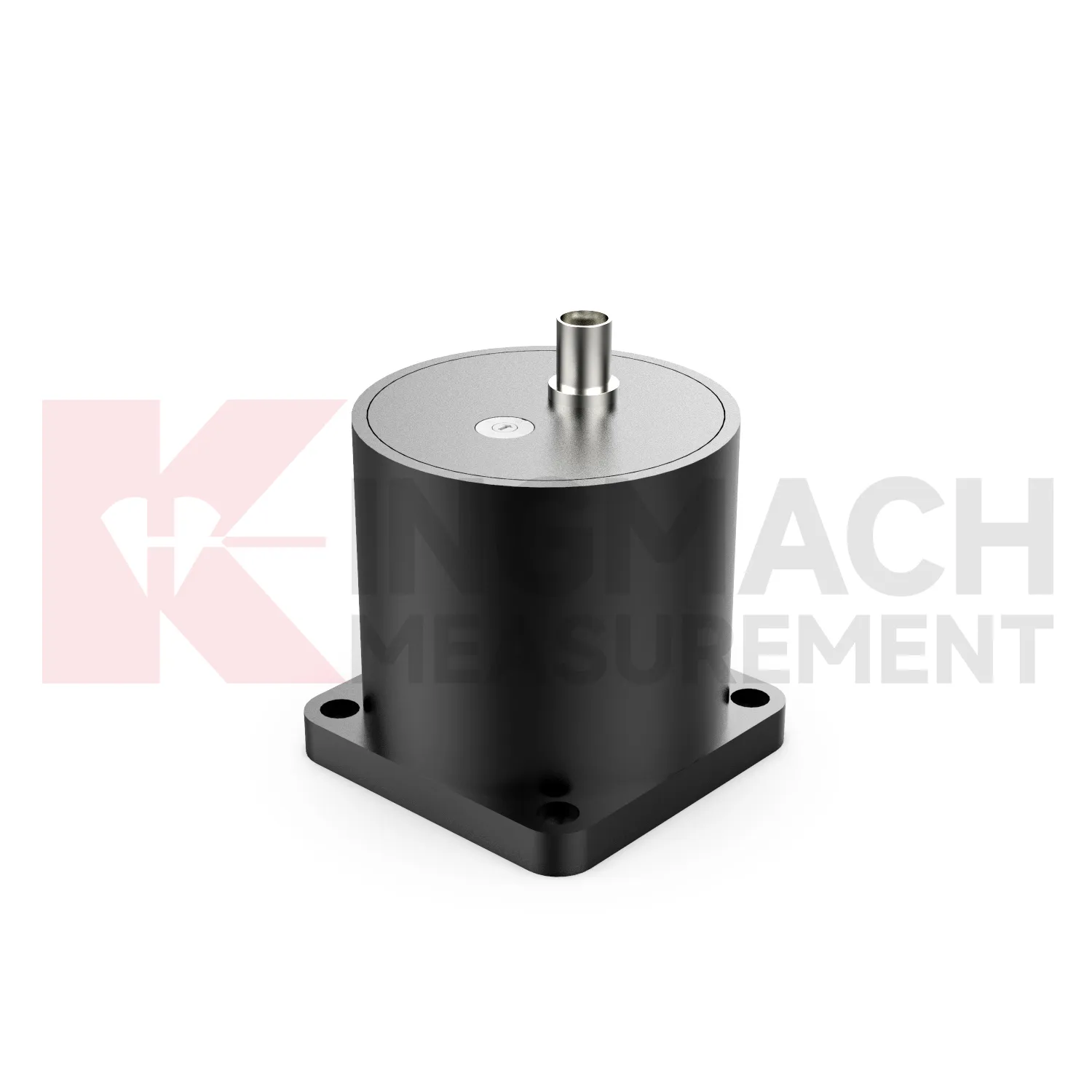
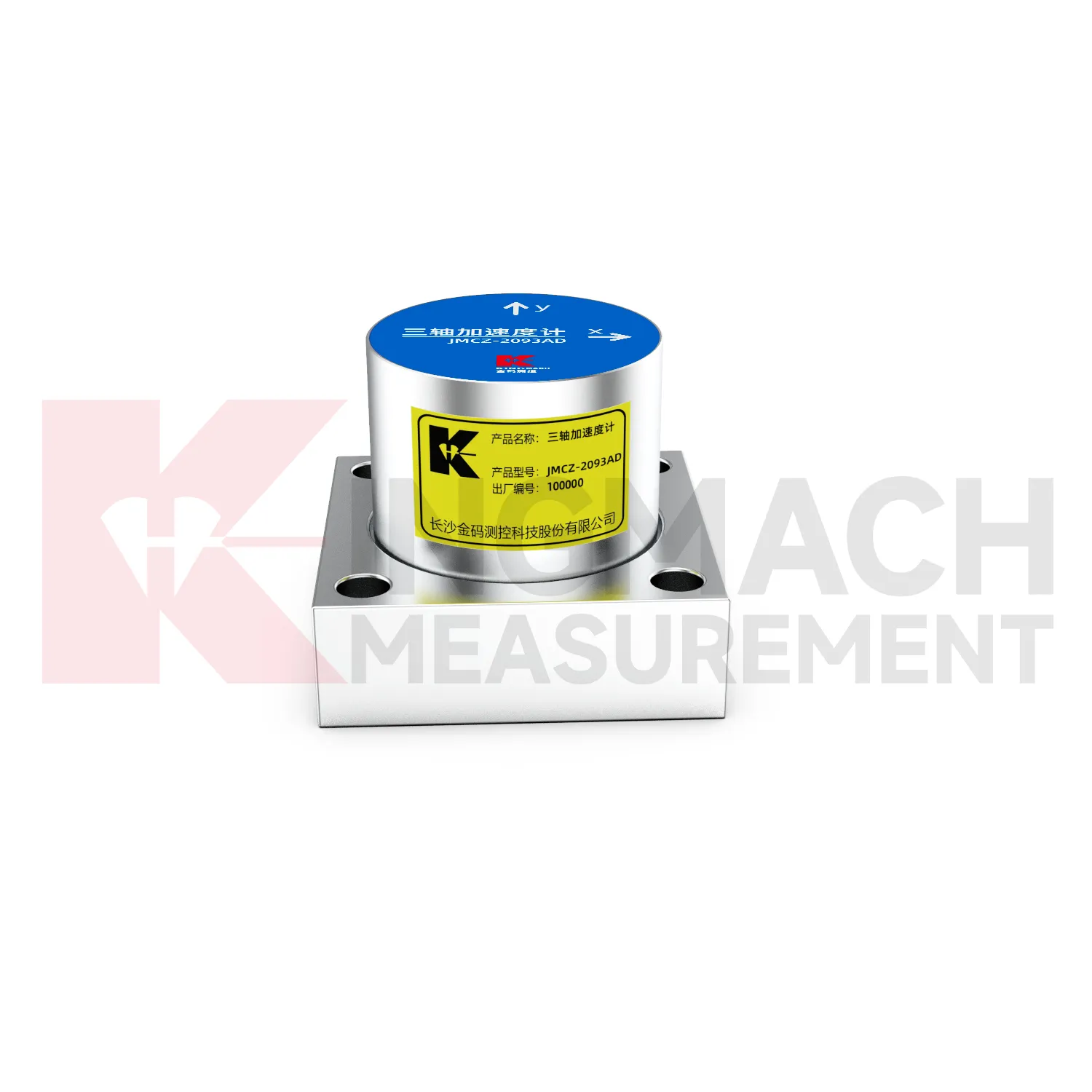
Machine downtime can cost thousands per hour, yet many plants still run equipment to failure. Vibration monitoring has become the standard way to catch issues early, but the sensor you pick makes all the difference. Off-the-shelf units often fall short in tight spaces, extreme temperatures, or specialized mounting situations. Kingmach focuses on industrial vibration sensors that fit the actual conditions of your site — not just a catalog spec sheet. Our range covers general-purpose accelerometers, high-temperature piezo units, and low-frequency seismic models. We work with maintenance teams and integrators to match sensitivity, frequency response, and output type to the job, whether it’s a cooling tower gearbox, a crusher motor, or a pipeline compressor. Custom firmware, connector pinouts, and cable lengths are standard requests we handle without long lead times. Instead of forcing your condition monitoring program around a sensor, we provide options that adapt to your strategy. Global clients rely on these sensors for vibration analysis, acceptance testing, and continuous protection on rotating assets. In the sections below, we’ll explain key technical points and answer the questions we often hear from engineers evaluating industrial vibration sensors.
Technical Detail
Kingmach builds industrial vibration sensors for machinery protection and condition-based maintenance. The product line covers common sensing technologies: IEPE accelerometers with built-in charge amplifiers, 4-20 mA velocity transmitters for PLC and DCS integration, and MEMS-based sensors where cost and footprint are priorities. Sensitivity options range from 10 mV/g to 500 mV/g, with standard frequency spans of 0.5 Hz to over 10 kHz. Housing materials include stainless steel for corrosive environments and lightweight alloys where low mass is critical. Electrical connection choices span MIL-style connectors, M12 industrial plugs, and integral cables in various lengths — field requests for custom cable lengths and right-angle overmolds come in often, and our engineering team handles those modifications on existing designs. Sealing to IP67 and IP68 is typical, and ATEX/IECEx-certified models are available for hazardous zones. We don’t pretend to compete on price with the lowest-cost import sensors because our value sits in reliability and service. Each unit goes through full-range calibration before shipping, with a test certificate that references the serial number. Custom mounting plates, stud adapters, and magnet installations are also part of the offering, helping users retrofit sensors to older machines without re-drilling. For OEMs designing monitoring systems, we support private labeling and custom packaging. Global distribution means we stock sensors in regional hubs and can ship within days for urgent replacements. Application engineers on our team have experience across mining, water treatment, power generation, and manufacturing, so the conversation tends to start with the specific asset being monitored rather than a part number. That’s how we make sure the sensor doesn’t just fit the vibration analyzer but actually survives on the machine.
News
Key Takeaways An alert chain needs more than a sensor: define field in...
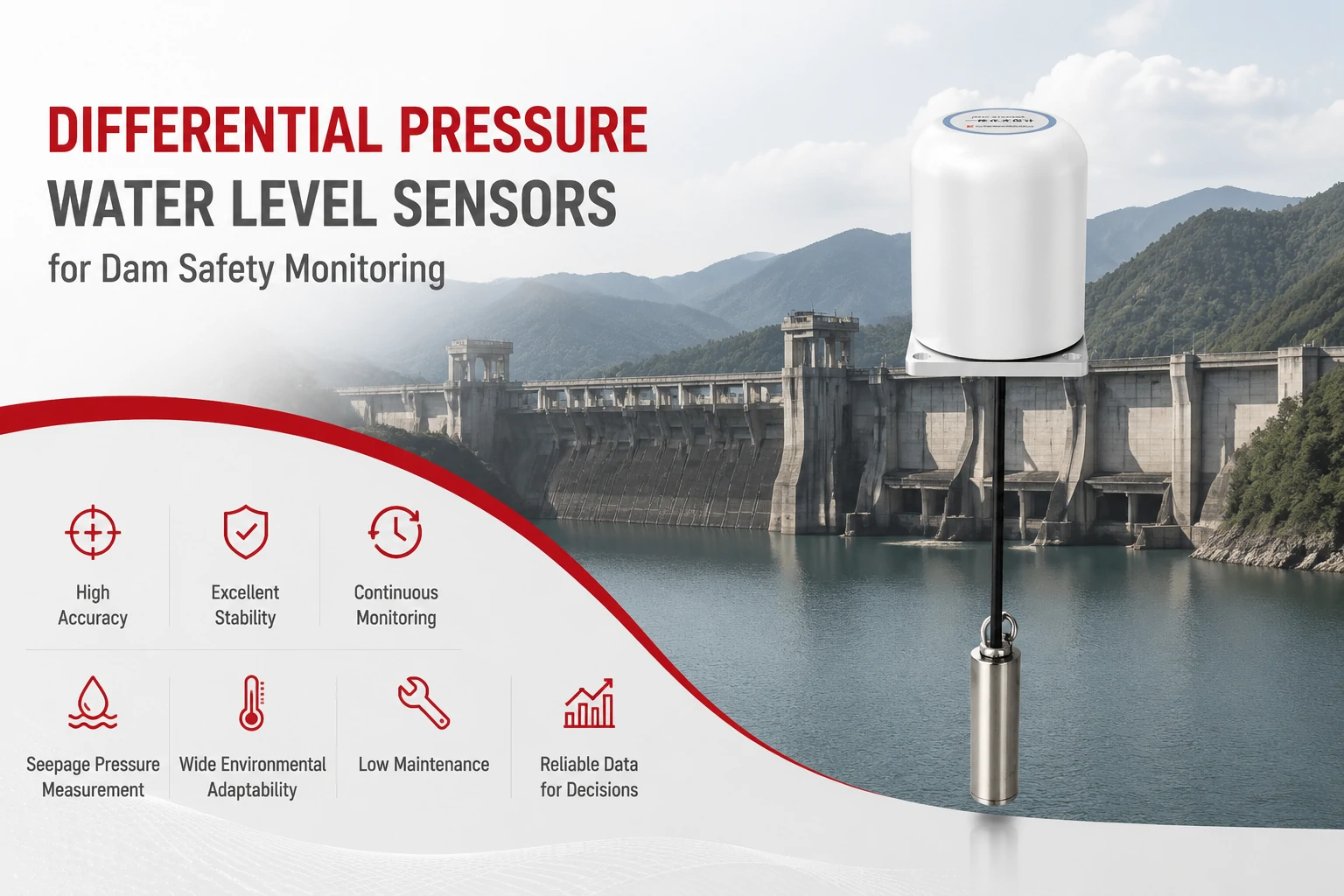
Key Takeaways The strongest fit is usually a confined, submerged, or s...
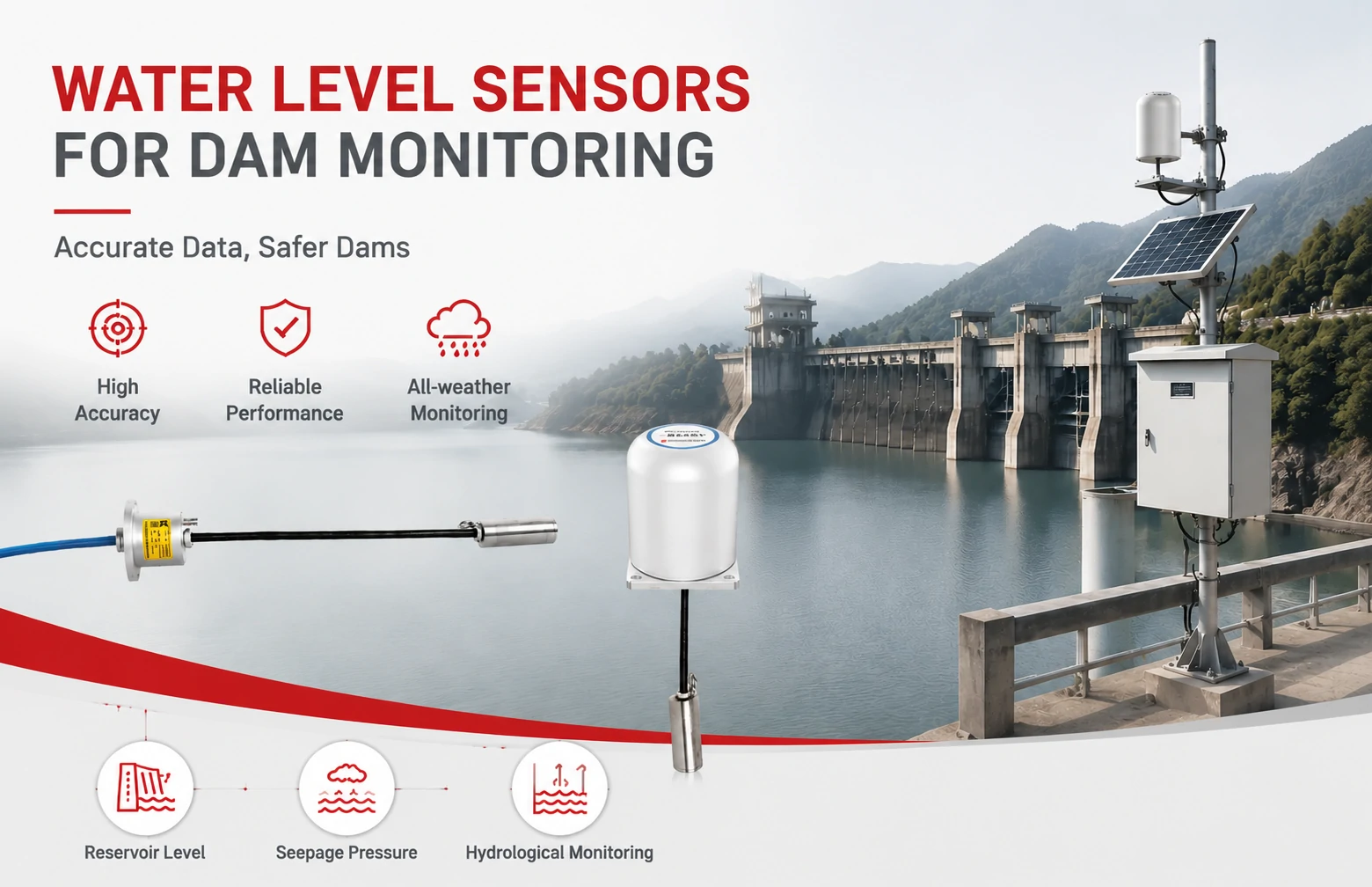
Kingmach Water Level Sensors for Dam Monitoring: A Buyer's Guide to Differential Pre...
Products
FAQ
It depends on what you’re connecting to. If you already have a vibration analyzer or data collector that accepts AC dynamic signals, go with IEPE — it gives you the raw waveform for detailed analysis. If you need a signal to go directly into a PLC or DCS for trending overall vibration (say, to trigger an alarm at 10 mm/s), use a 4-20 mA transmitter. Many plants end up using both on critical machines: one to the PLC for operations, one to the analyst for diagnostics.
We have stainless steel sensor bodies with IP68 rating and welded seals for exactly those situations. For harsh washdown with chemicals, we can also supply PTFE-jacketed cables and sealed cable exits. Just let us know what cleaning agents are used — common ones like sodium hypochlorite are fine, but some solvents require different O-ring materials.
We’ve done pinout changes on connectors, custom cable lengths, non-standard mounting threads, temperature range extensions, and even tuned frequency responses for specific OEM equipment. If you’re buying high volumes, we can also print your logo and part number on the label. The engineering charge for small changes is normally reasonable because we design the electronics in modules.
Yes, every sensor ships with a traceable calibration certificate that covers sensitivity at a reference frequency (usually 100 Hz) plus frequency response data over its operating range. You get the actual measured values, not just tolerance bands. If you need ISO 17025 accredited calibration, that’s available as an option.
Most standard models are in stock at one of our distribution centers and can ship within a few business days. Custom configurations usually take 2-3 weeks depending on the changes. If your machine is down, we’ll do everything we can to prioritize and get something to you faster, even if it means partial shipment of the sensors while cables follow later.
Share your product type, target capacity, and application requirements. Our team can review the details and recommend a practical next step.
If you are interested in our products or want to become our partner.
Please leave your contact information, our team will contact you as soon as possible.
Mail: [email protected]
Contact Us: +8613808434127
Address: No. 188 Tongzipo West Rd, Changsha, Hunan, China