
 EN
EN
 ar
ar bg
bg hr
hr cs
cs da
da nl
nl fi
fi fr
fr de
de el
el hi
hi it
it ko
ko no
no pl
pl pt
pt ro
ro ru
ru es
es sv
sv tl
tl iw
iw id
id lv
lv lt
lt sr
sr sk
sk sl
sl uk
uk vi
vi et
et hu
hu th
th tr
tr fa
fa ms
ms hy
hy ka
ka ur
ur bn
bn mn
mn ta
ta kk
kk uz
uz ku
ku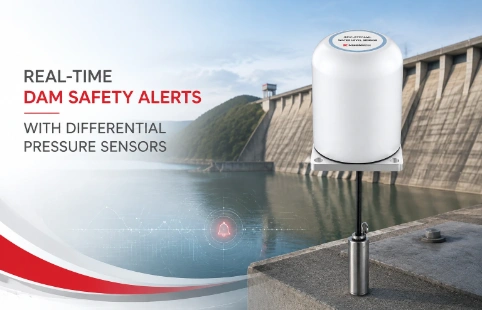
Real-Time Dam Safety Alerts with Differential Pressure Water Level Sensors
Key Takeaways An alert chain needs more than a sensor: define field in...

Wireless Inclinometer Sensor for Reliable Field Data
Running cables across a construction site or unstable slope is often the slowest part of installing an inclinometer. Wireless sensors remove that bottleneck. Kingmach’s wireless inclinometer sensors are built for teams that need frequent tilt readings from hard-to-reach spots—without trenching, conduits, or signal wiring. They transmit data over LoRa or 4G to a cloud platform, so you can check conditions from the office instead of visiting each sensor. The sensors run on internal batteries that typically last through a full monitoring season. This means fewer site visits and less exposure to hazardous areas. While high-end systems may offer sub-arcsecond precision, Kingmach’s mid-range sensors deliver the stability and repeatability that most geotechnical projects actually require. From foundation pits to retaining walls, they give engineers a practical way to catch movement early.
Technical Detail
Kingmach designs wireless inclinometer sensors for everyday monitoring tasks where simplicity and reliability matter more than top-tier specs. The sensors use MEMS accelerometers with typical resolution down to 0.01°, suitable for detecting trends in slope movement, excavation deformation, or structural tilt. Data is sent at configurable intervals—once an hour, once a day—via LoRaWAN or cellular networks, depending on site conditions. Where cellular coverage is weak, a local gateway can bridge to the internet. Power consumption is low enough that a single D-cell battery can keep the sensor running for 12–18 months under normal reporting schedules. The housing is IP67 rated, so rain, dust, or temporary submersion won’t knock it offline. Mounting is straightforward: anchor a stainless steel bracket to concrete or rock, then bolt the sensor in place. An onboard bubble level helps with initial alignment. After installation, you can fine-tune the zero point remotely through the Kingmarch cloud interface. For projects with special needs—like deeper embedment or integration with existing data loggers—Kingmarch offers customization. As a specialist manufacturer with a global distribution network, they can adjust cable lengths, communication protocols, or reporting logic without the long lead times of larger vendors. Technical support teams are available to walk field crews through setup, which matters when the first deployment happens under a tight deadline. Applications include slope stability monitoring along highways, deep excavation shoring, and tilt monitoring of transmission towers. In each case, the goal is the same: get reliable inclination data without wiring headaches.
News
Key Takeaways An alert chain needs more than a sensor: define field in...
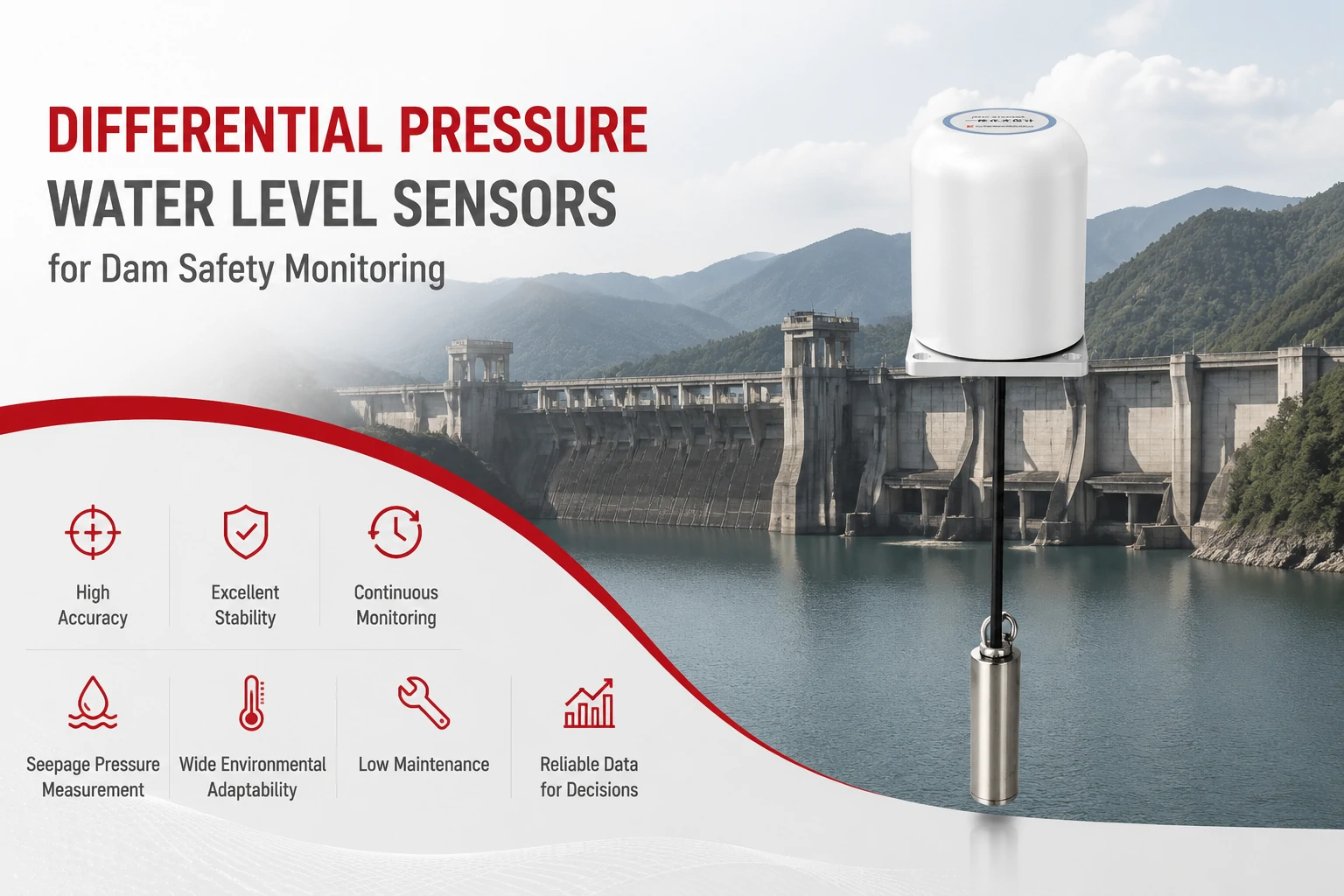
Key Takeaways The strongest fit is usually a confined, submerged, or s...
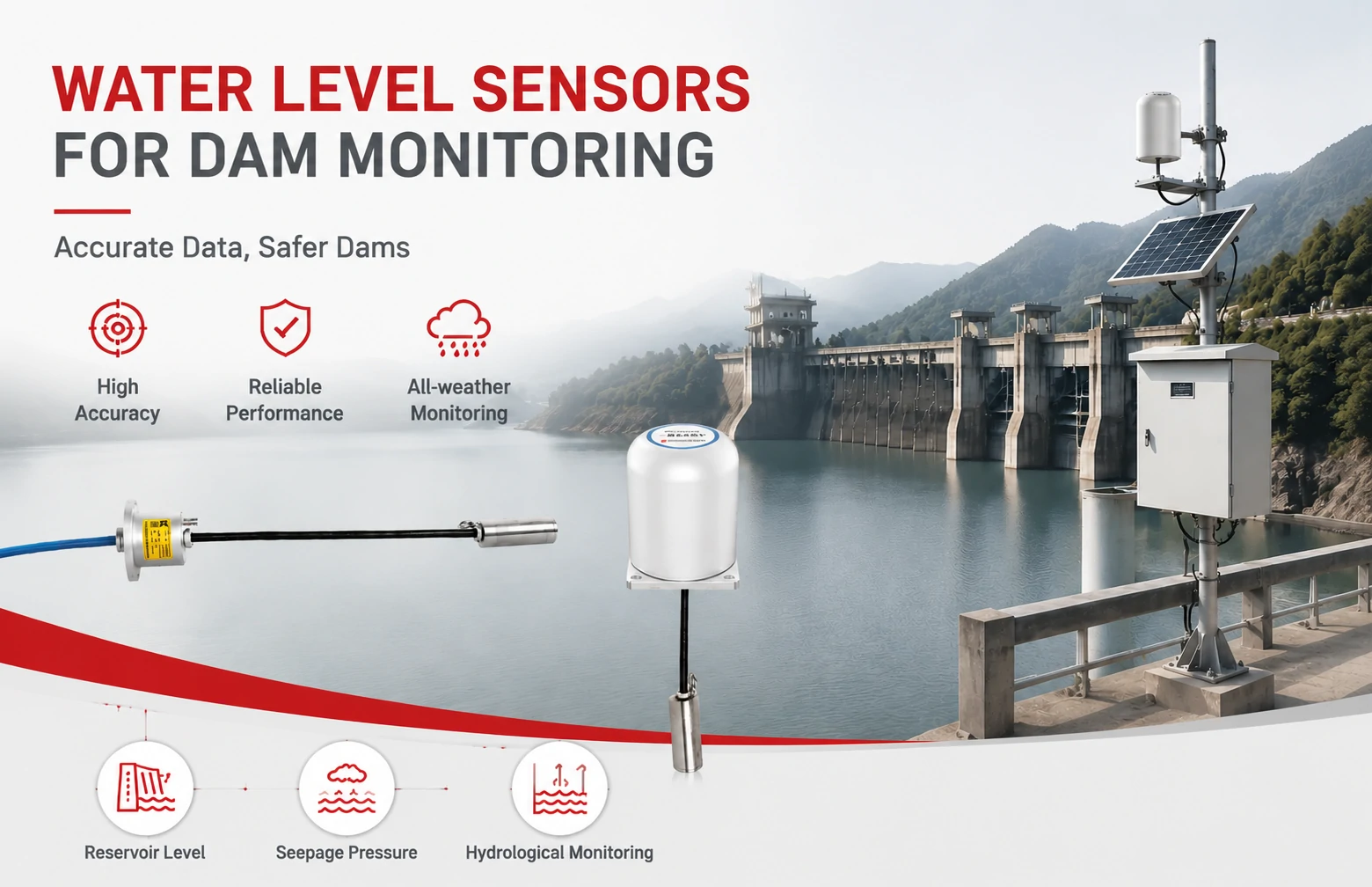
Kingmach Water Level Sensors for Dam Monitoring: A Buyer's Guide to Differential Pre...
Products
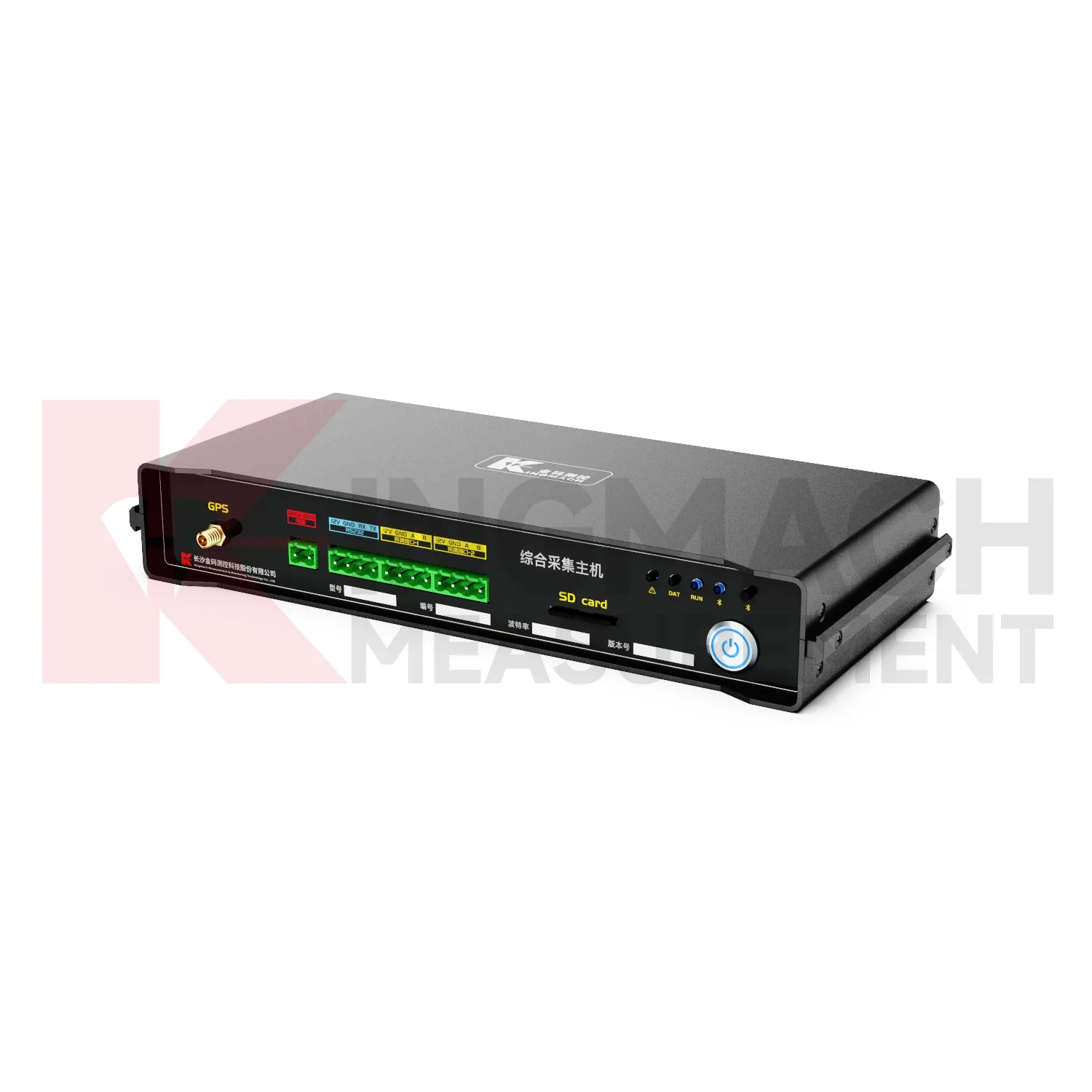
Comprehensive Acquisition Host Unit JMZX-5ZH
View Details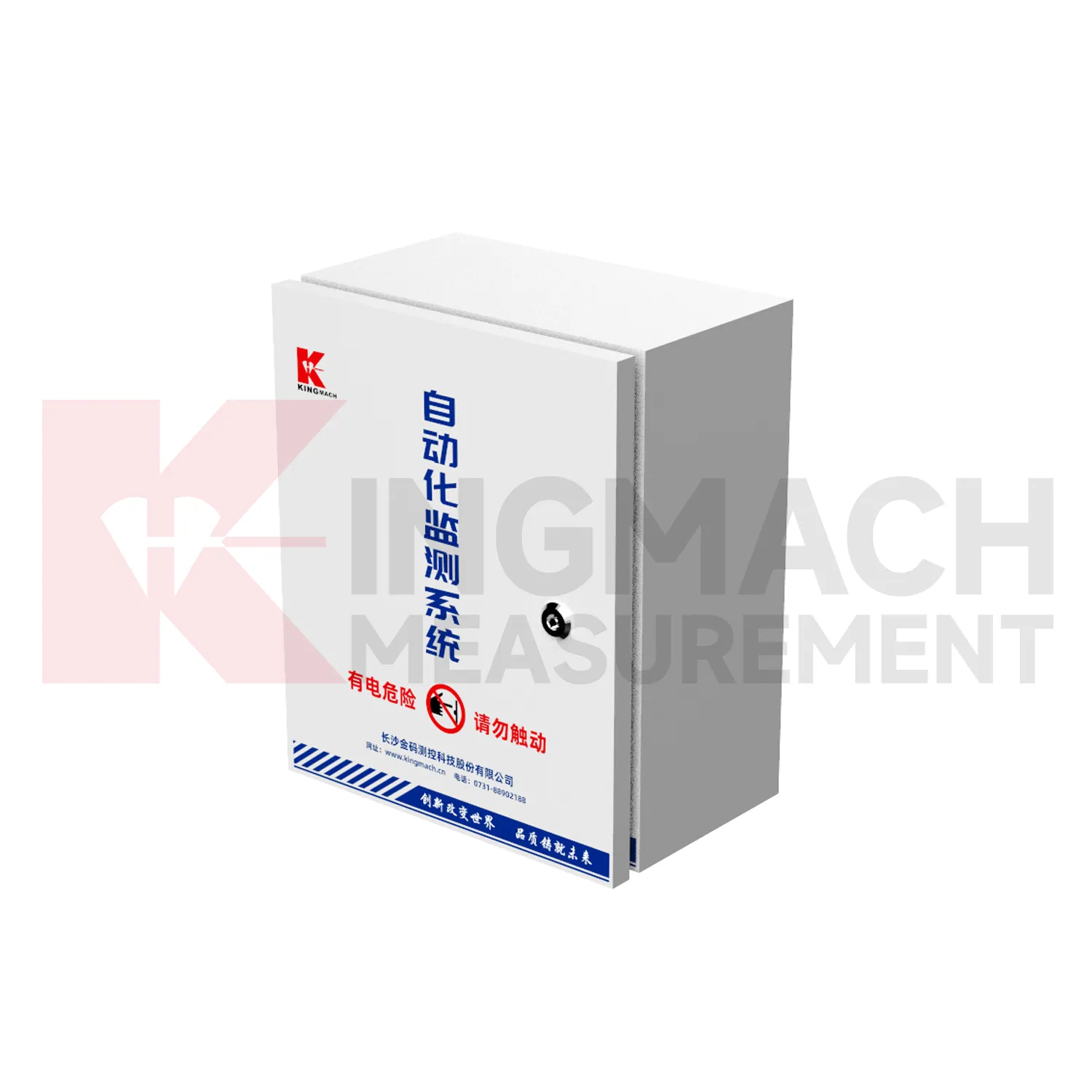
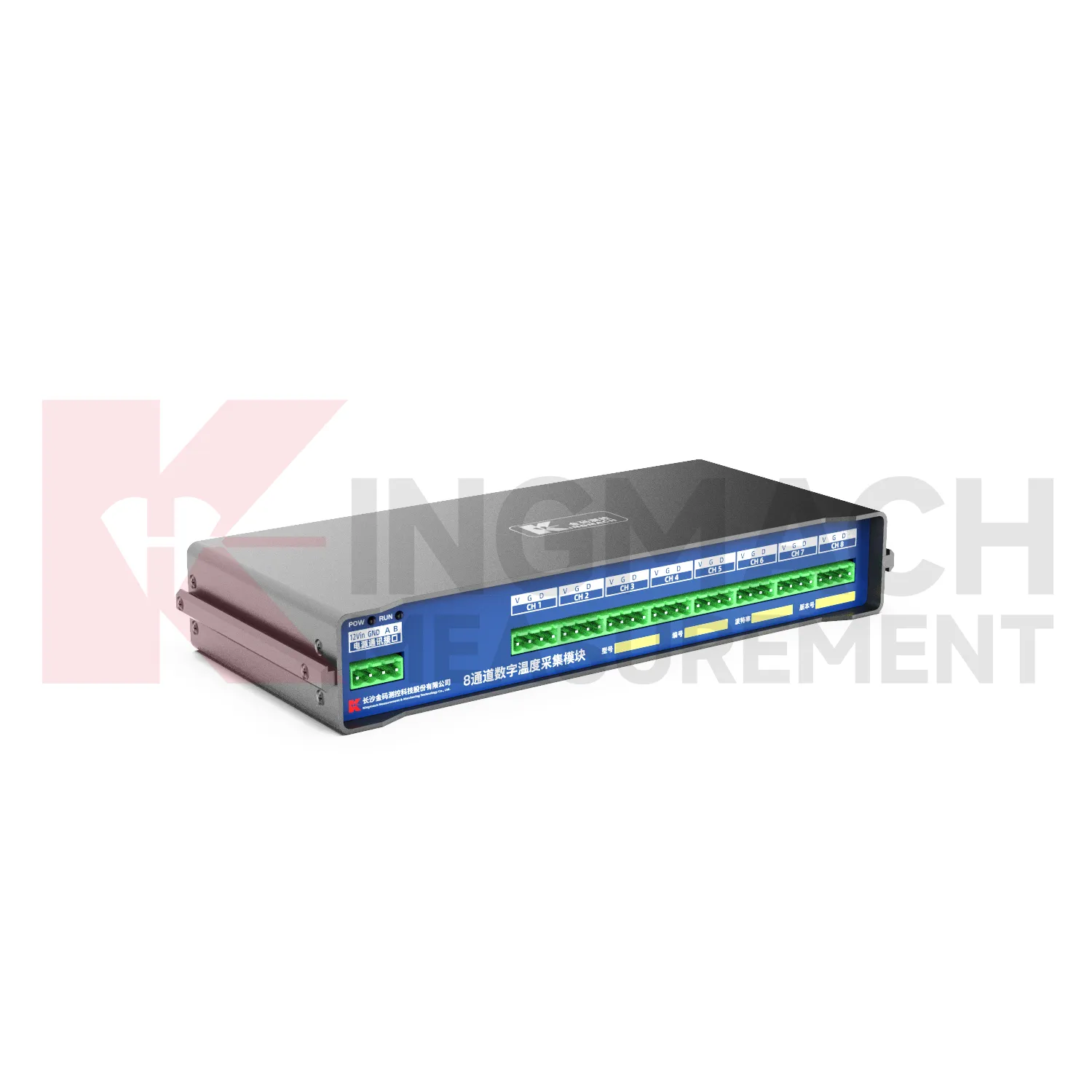
8-Channel Digital Temperature Acquisition ModuleJMWT-8DTH
View DetailsFAQ
Most units support LoRaWAN plus an optional local gateway. If that’s not feasible, the sensor can store readings onboard and you can retrieve them manually via Bluetooth when you visit the site. Some customers also set up a small solar-powered repeater on a nearby pole.
Battery life depends on reporting frequency. With once-daily data uploads, a standard lithium battery often lasts 12–18 months. The battery compartment is accessible without opening the sensor housing, so field replacement takes only a few minutes.
For long-term trend monitoring, yes. Most geotechnical applications care more about repeatability and drift than absolute angle. Kingmarch’s MEMS sensors have low drift over temperature, so they track movement reliably. If you need survey-grade precision for short-term campaigns, wired sensors may still be preferred.
Concrete retaining walls, steel sheet piles, rock faces, bridge piers—basically any stable surface that won’t move independently of the ground you’re monitoring. The standard bracket works on flat surfaces; for uneven rock, a groutable anchor plate is available.
Yes. The sensors can push data to third-party platforms via MQTT or HTTP if your platform supports those protocols. Kingmarch also provides an API for integration. Custom firmware modifications are possible for larger orders.
Share your product type, target capacity, and application requirements. Our team can review the details and recommend a practical next step.
If you are interested in our products or want to become our partner.
Please leave your contact information, our team will contact you as soon as possible.
Mail: [email protected]
Contact Us: +8613808434127
Address: No. 188 Tongzipo West Rd, Changsha, Hunan, China