
 EN
EN
 ar
ar bg
bg hr
hr cs
cs da
da nl
nl fi
fi fr
fr de
de el
el hi
hi it
it ko
ko no
no pl
pl pt
pt ro
ro ru
ru es
es sv
sv tl
tl iw
iw id
id lv
lv lt
lt sr
sr sk
sk sl
sl uk
uk vi
vi et
et hu
hu th
th tr
tr fa
fa ms
ms hy
hy ka
ka ur
ur bn
bn mn
mn ta
ta kk
kk uz
uz ku
ku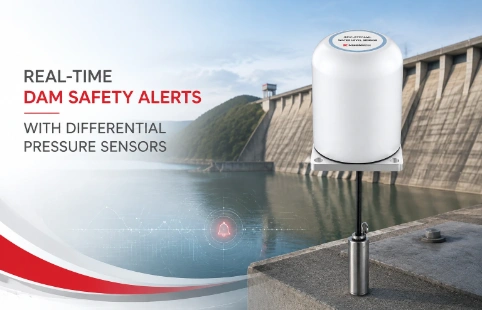
Real-Time Dam Safety Alerts with Differential Pressure Water Level Sensors
Key Takeaways An alert chain needs more than a sensor: define field in...

Spot Weldable Gauges That Don't Quit in the Field
Attaching a strain gauge to steel can go wrong in a dozen small ways. Uneven spot welds, moisture creeping under the foil, or a cable getting snagged during concrete pouring. When you’re instrumenting piles, tunnel linings, or bridge girders, those failures aren’t just annoying—they mess up long-term data. Spot weldable gauges at Kingmach are built to cut that risk. We focus on simple details: a flat, clean bonding surface; consistent weld points that don’t distort the steel; and a mechanical protection system that survives job-site abuse. They’re part of a wider geotechnical range, so regardless of whether your project needs arc-weldable strain gauges, embedment sensors, or custom dimensions, a compatible solution usually exists off the shelf—or can be adapted quickly.
Technical Detail
A spot weldable gauge needs three things to earn its place in a monitoring program: repeatable attachment, low drift, and survivability in wet or buried environments. At Kingmach, we address those with a practical production approach. The gauge backing is selected for thin, uniform weld points using portable capacitor-discharge units—common on most sites. This keeps the heat-affected zone small and avoids annealing the host steel, which matters when you’re working on high-strength rebar or structural plates. The sensing grid itself is a self-temperature-compensated foil matched to mild steel, so apparent strain from thermal expansion usually falls within a few microstrain per degree for typical structural steels. Users often add a stainless steel or rubber cover right after welding; we offer both as standard, with a compression-molded rubber version that’s held up well in buried applications where concrete shrinkage and groundwater push against the sensor for years. Cables exit through a strain-relieved, fully encapsulated lead-out that resists pull forces you’d see during rebar cage assembly. Because we stock multiple resistance values—typically 120, 350, and 1000 ohms—you can match the gauge to the readout equipment already on site, instead of buying new dataloggers. The active grid length varies by model, letting you target either global strain or highly localised stress concentrations depending on the measurement need. All gauges undergo a cycling and inspection step before shipment, where we check zero stability and insulation resistance at room temperature. That won’t guarantee perfect field data, but it removes the obvious duds. And if you’re working on a project that wants gauges pre-installed on steel coupons or pre-wired in a specific configuration, our technical team handles that through customisation—something we’ve done for several dam monitoring and deep excavation jobs where consistency across hundreds of sensors was the main ask. Finally, because we ship to over 30 countries, the packaging includes enough desiccant and vacuum seals to keep moisture out during ocean freight; once opened, the gauges are ready to weld within the shelf life marked on each pack.
News
Key Takeaways An alert chain needs more than a sensor: define field in...
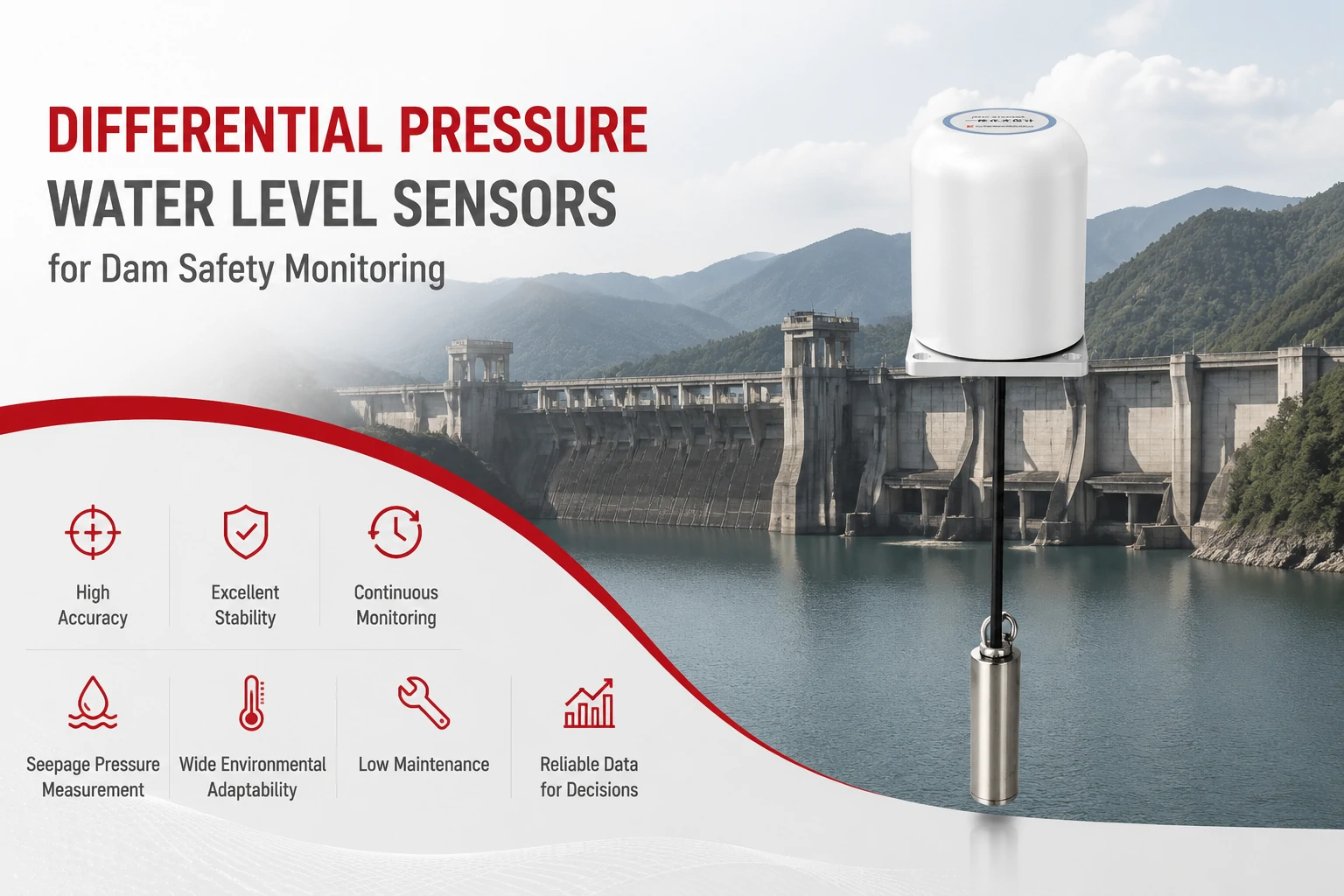
Key Takeaways The strongest fit is usually a confined, submerged, or s...
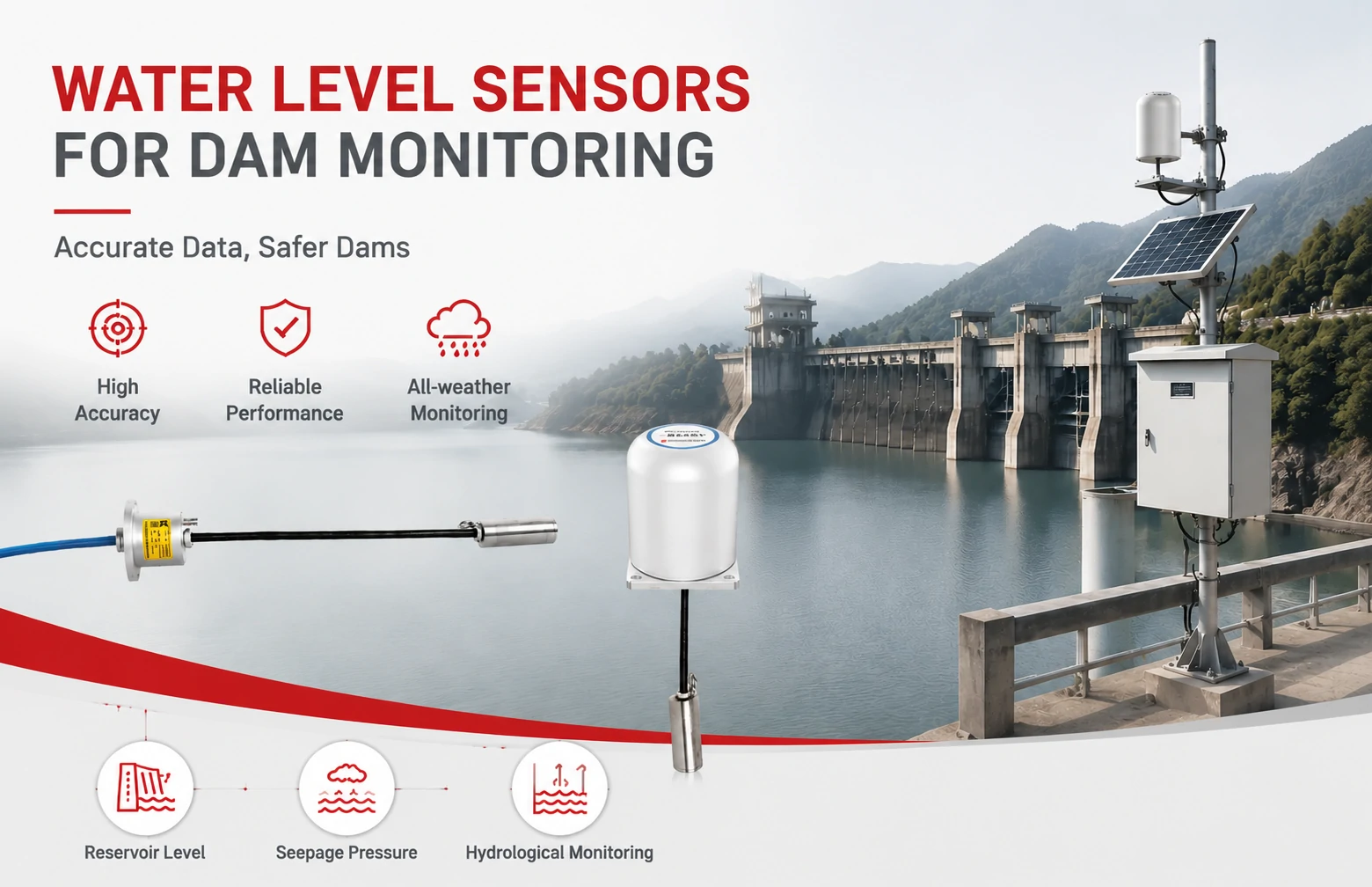
Kingmach Water Level Sensors for Dam Monitoring: A Buyer's Guide to Differential Pre...
Products
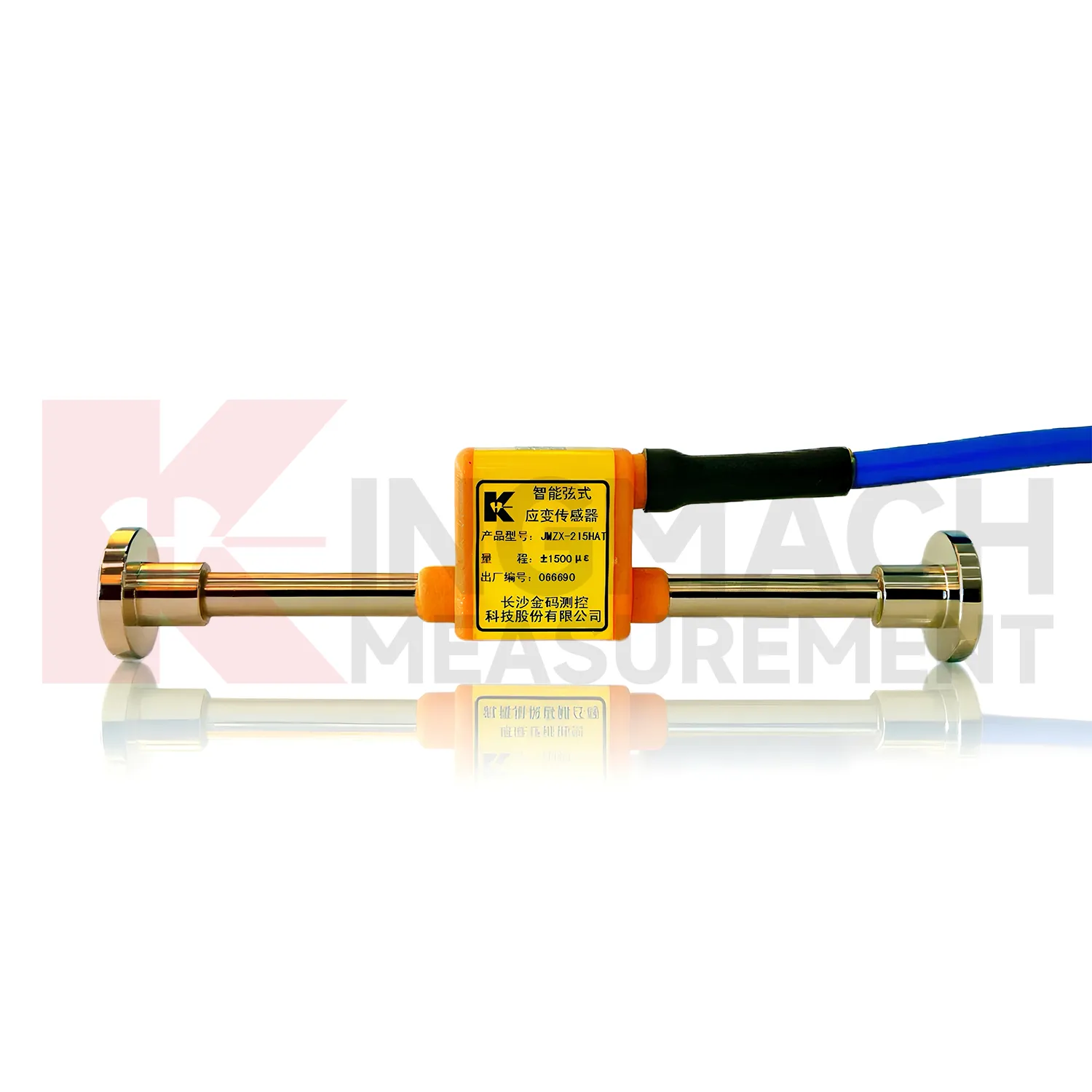
Smart vibrating wire strain gauge (embedment model) JMZX-215HA/215HAT/HB
View Details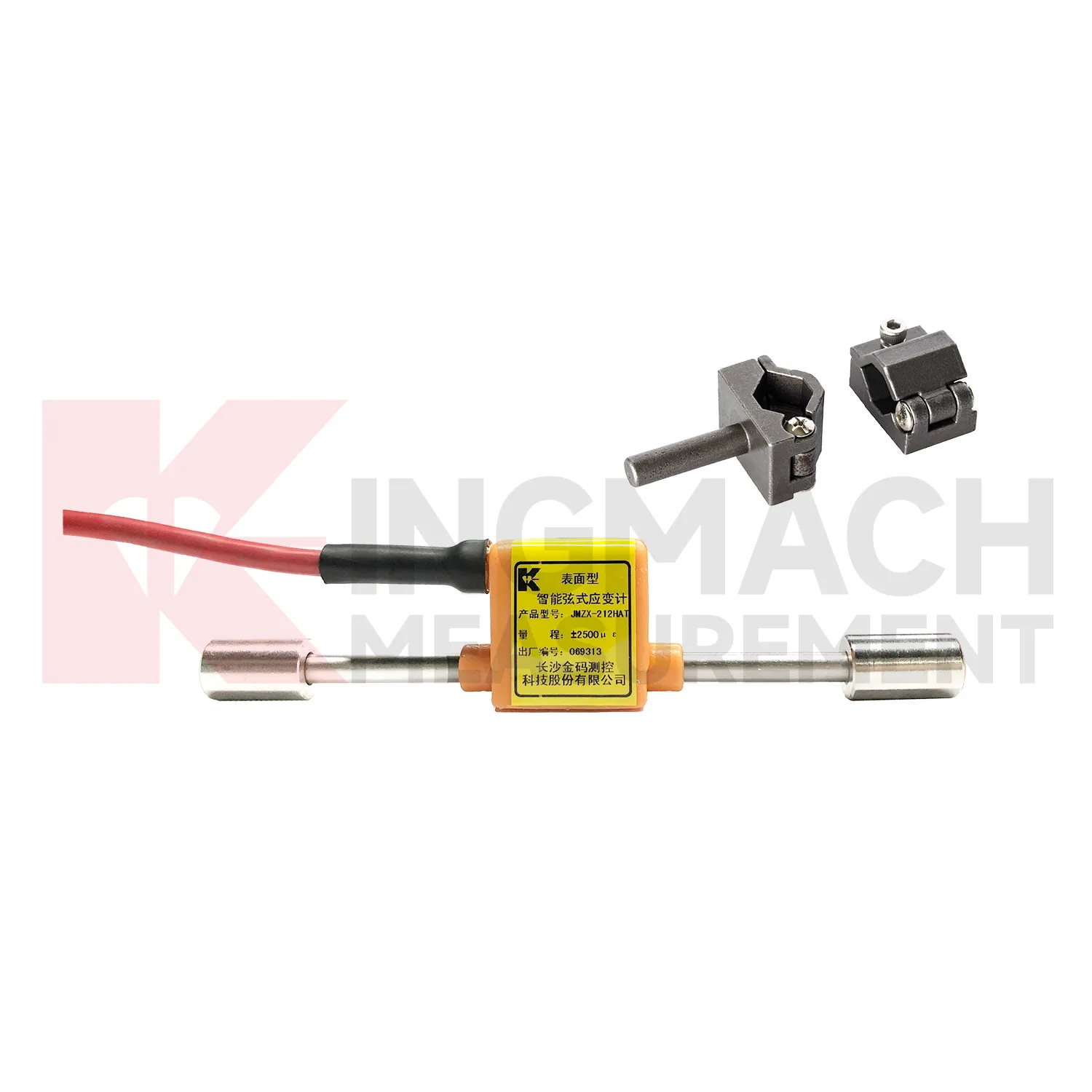
Smart vibrating wire strain gauge (surface model) JMZX-212HAT/HB
View Details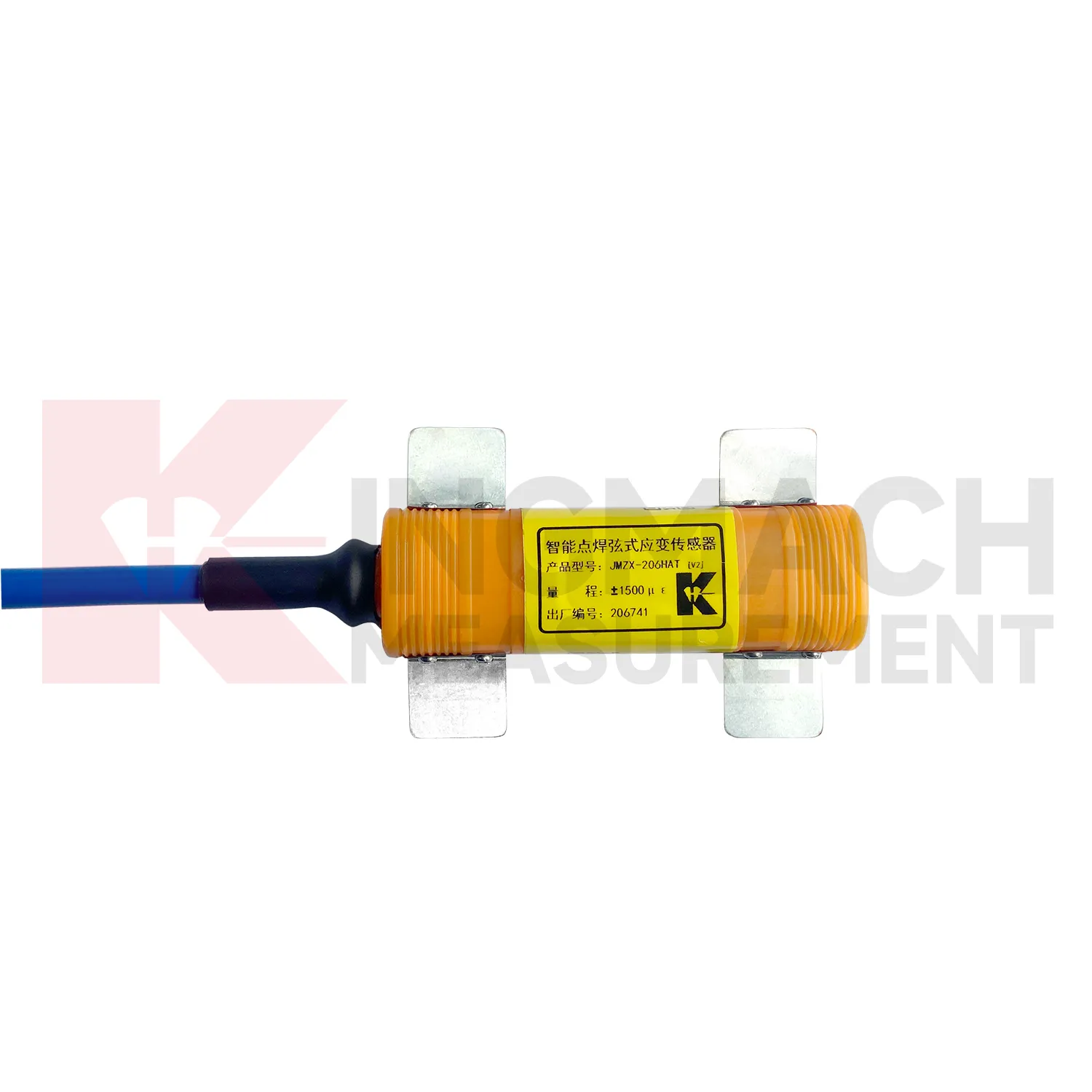
Smart vibrating wire strain gauge (surface welded model) JMZX-206HAT
View DetailsFAQ
Most standard spot weldable gauges are self-temperature-compensated for mild structural steel. They also work on common grades like S235, S355, or A36. If your project involves high-strength alloys, stainless steel, or rebar with uncertain thermal coefficients, we can supply gauges matched to your specific material—just share the steel grade and expected temperature range during inquiry.
With capacitor-discharge welding and the thin foil backing we use, the heat-affected zone is tiny. You usually see no visible distortion on structural members thicker than a few millimetres. On thin steel sheets, a quick test weld on scrap can confirm settings. The gauge’s backing is designed to flatten during welding, so with proper pressure and pulse energy, the seating is uniform and stress concentrations are minimal.
Yes, if protected properly. We ship a rubber cover that goes on right after welding—it handles surrounding concrete pressure and moisture. For extra security, some teams add a thin stainless steel shim over the rubber. Provided the cable exit is also sealed, gauges routinely survive concrete placement and years of embedded service.
Typically we stock 120, 350, and 1000 ohm versions. 350 ohm is very common for field use because it draws less current and works with long cables. 1000 ohm can be useful when you’re sharing a single power supply across many gauges. Check your readout’s input range and cable lengths to decide; our team can help select the right one.
Common requests include pre-wired gauges with custom lead lengths, pre-installation on steel coupons we source and test, or specific grid lengths for tight spaces. We’ve also done calibrations against traceable standards for QA/QC-sensitive jobs. Lead times depend on quantity and complexity, so it’s best to reach out early in your planning.
Share your product type, target capacity, and application requirements. Our team can review the details and recommend a practical next step.
If you are interested in our products or want to become our partner.
Please leave your contact information, our team will contact you as soon as possible.
Mail: [email protected]
Contact Us: +8613808434127
Address: No. 188 Tongzipo West Rd, Changsha, Hunan, China