
 EN
EN
 ar
ar bg
bg hr
hr cs
cs da
da nl
nl fi
fi fr
fr de
de el
el hi
hi it
it ko
ko no
no pl
pl pt
pt ro
ro ru
ru es
es sv
sv tl
tl iw
iw id
id lv
lv lt
lt sr
sr sk
sk sl
sl uk
uk vi
vi et
et hu
hu th
th tr
tr fa
fa ms
ms hy
hy ka
ka ur
ur bn
bn mn
mn ta
ta kk
kk uz
uz ku
ku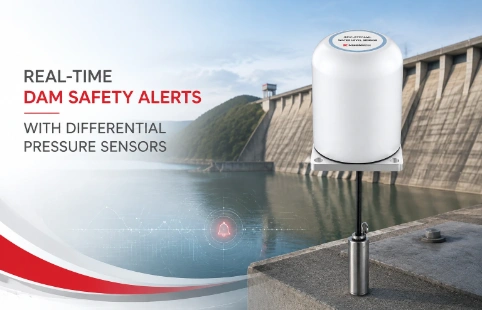
Real-Time Dam Safety Alerts with Differential Pressure Water Level Sensors
Key Takeaways An alert chain needs more than a sensor: define field in...

Kingmach Pressure Cells: Total Stress Monitoring
In a deep excavation project, the difference between a safe retaining structure and a costly failure often comes down to knowing the actual earth pressure at a critical depth. Pressure cells sit right at that interface, turning soil-structure interaction into measurable data. At Kingmach, we manufacture these instruments not as a one-off special, but as a standard part of our geotechnical monitoring lineup, refined over years of field use. The cells are built to survive installation in backfill, slurry, or grout, and to keep reading reliably long after the construction crew has moved on. This means engineers can track stress redistribution during tunneling, detect overloading behind bridge abutments, or verify compaction around buried pipelines without having to guess.
Technical Detail
Kingmach's pressure cells are designed for direct total stress measurement in soils, rockfills, and at the interface with concrete or steel structures. The sensing element uses a stiff, corrosion-resistant body that minimizes compliance errors, so readings reflect the external stress field closely. Typical full-scale ranges span from a few hundred kilopascals up to several megapascals, depending on the project requirement, and each cell is individually calibrated before shipment. On-board temperature compensation helps maintain accuracy in environments where ground temperature shifts can exceed 20°C. Signal output options include mV/V, 4-20 mA, or digital RS-485, allowing integration with most site data loggers. We support installation methods ranging from direct burial with hand-compacted sand to hydraulic placement in boreholes, and we can supply custom cable lengths, armor sheathing, and junction boxes for daisy-chaining multiple cells. Our team provides technical review of instrument placement plans and troubleshooting during commissioning, helping to avoid common mistakes like membrane damage during compaction or water ingress at cable glands. With regional distribution centers in Europe, the Middle East, and Southeast Asia, we can meet delivery timelines for large-scale infrastructure projects while providing local engineering support.
News
Key Takeaways An alert chain needs more than a sensor: define field in...
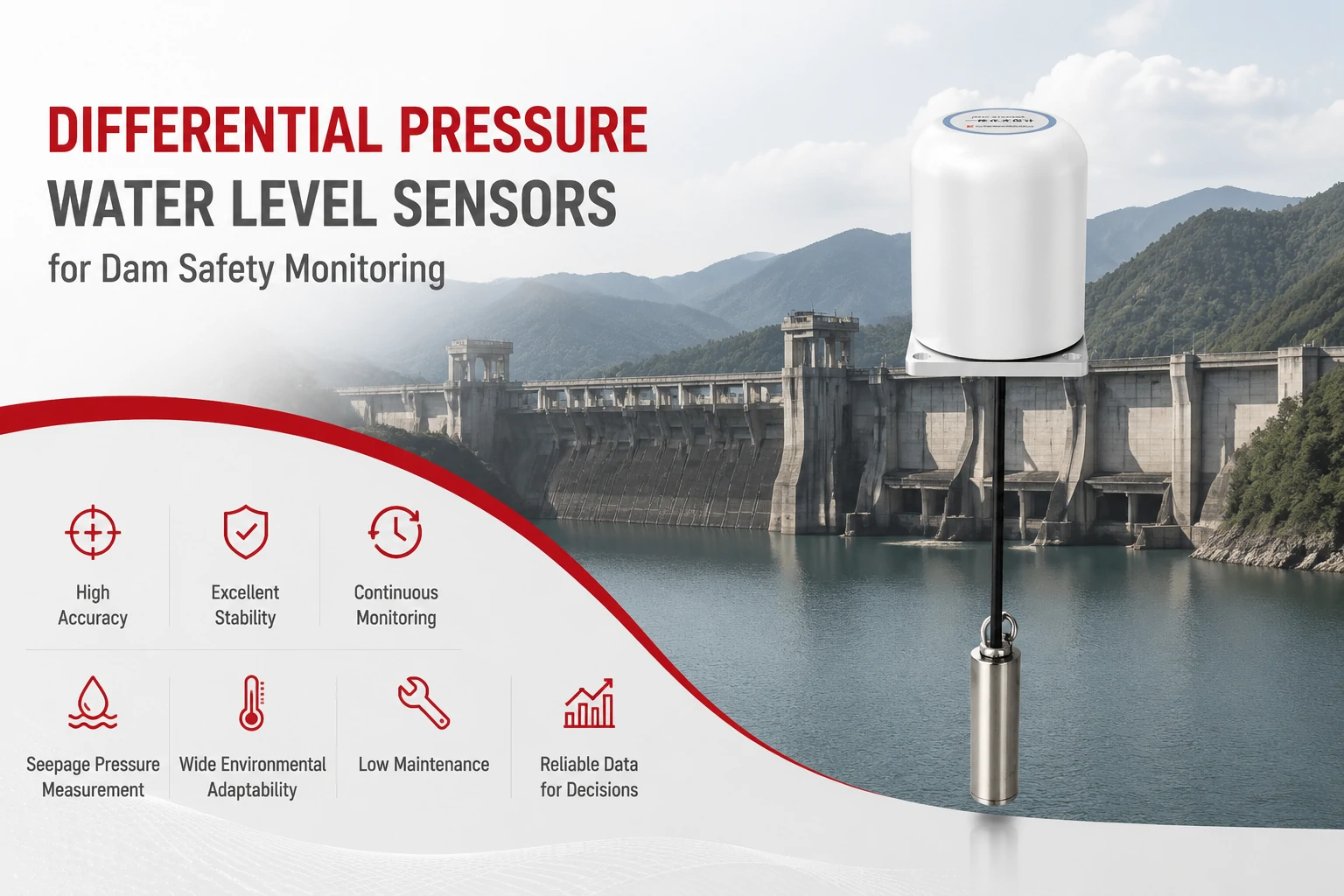
Key Takeaways The strongest fit is usually a confined, submerged, or s...
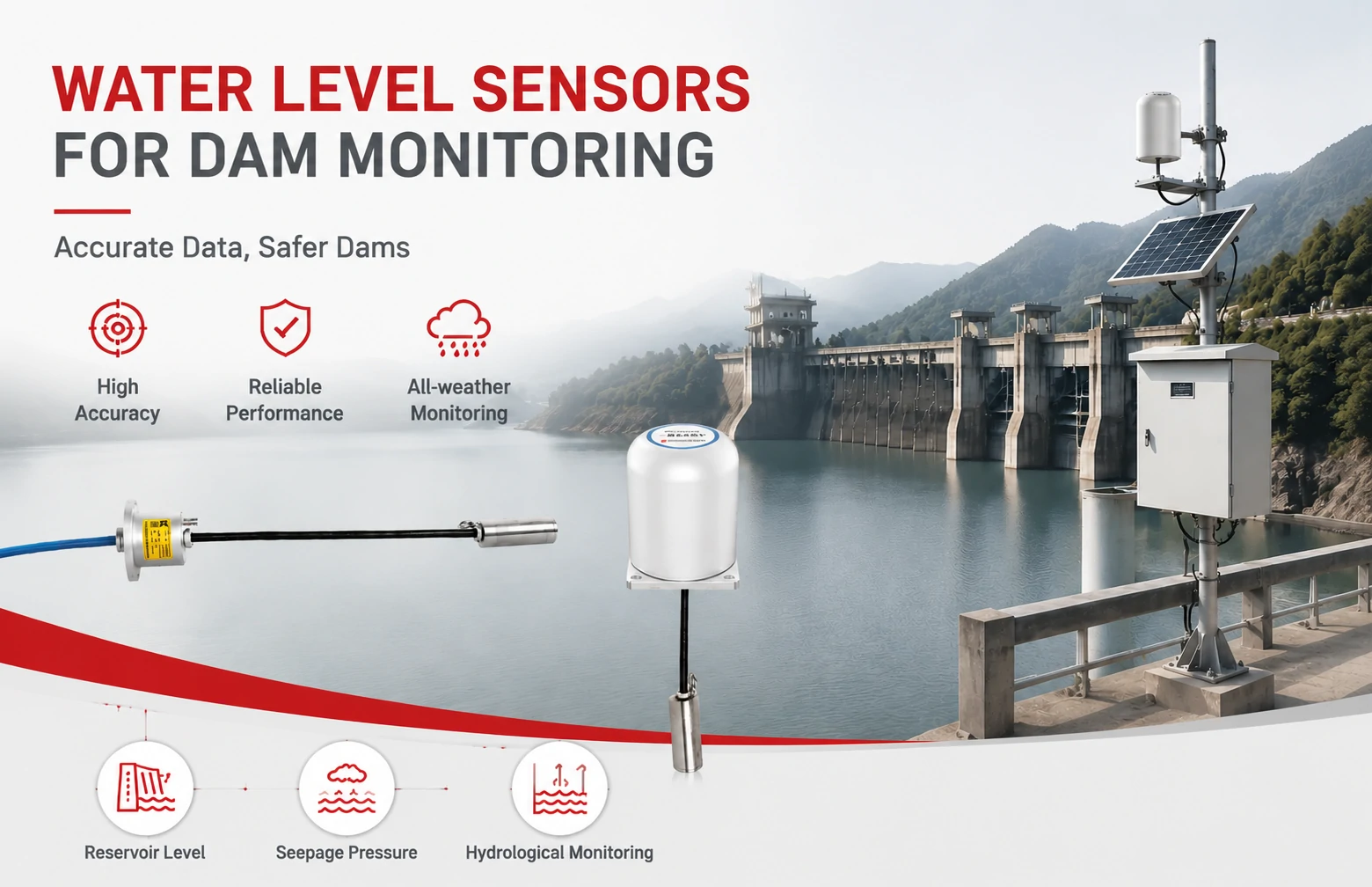
Kingmach Water Level Sensors for Dam Monitoring: A Buyer's Guide to Differential Pre...
Products
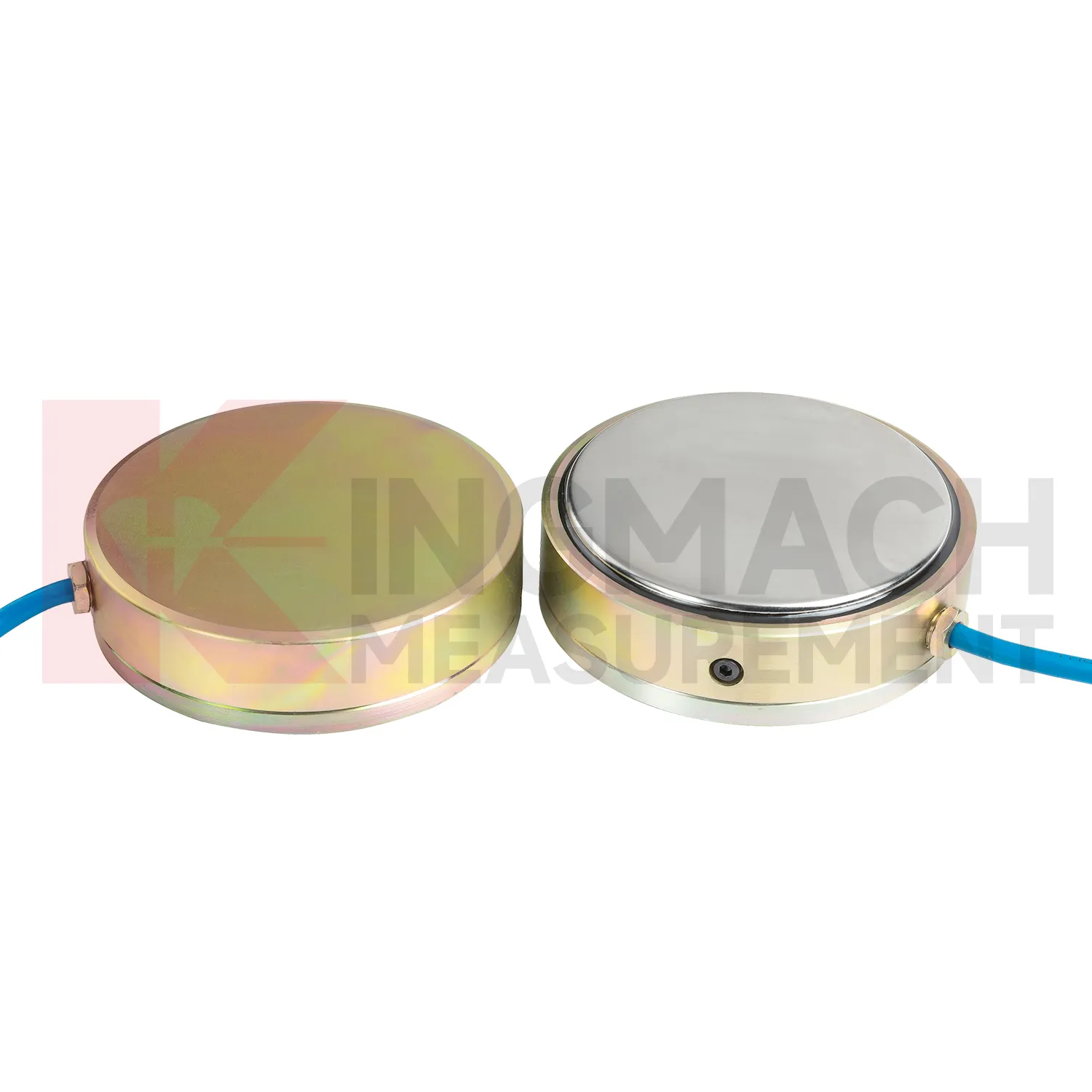
Earth Pressure Cell ( VW & Smart Type) JMZX-50XXAT/ ATM
View Details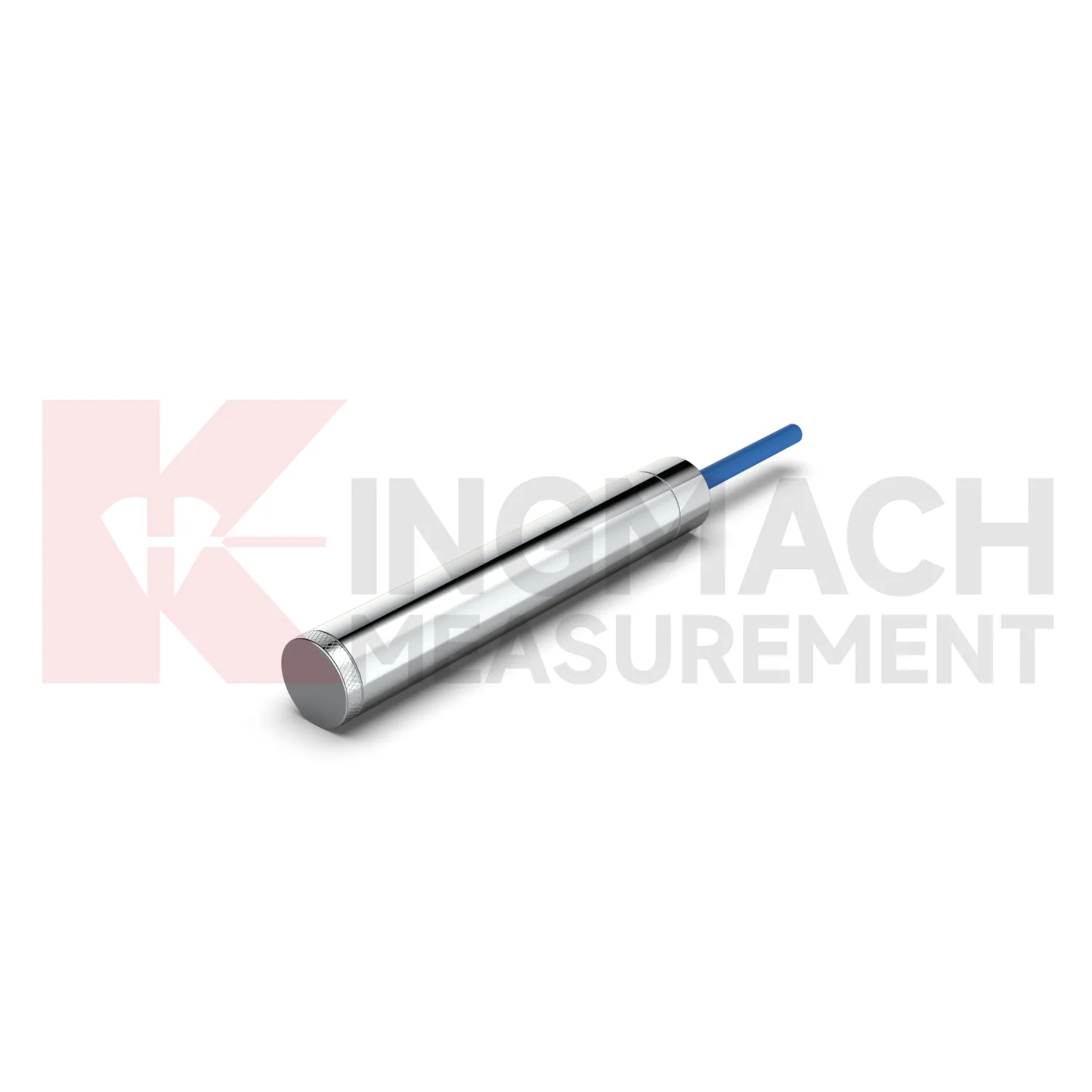
Smart Vibrating Wire PiezometerSmart Piezometers (VW) JMZX-55XXHAT
View Details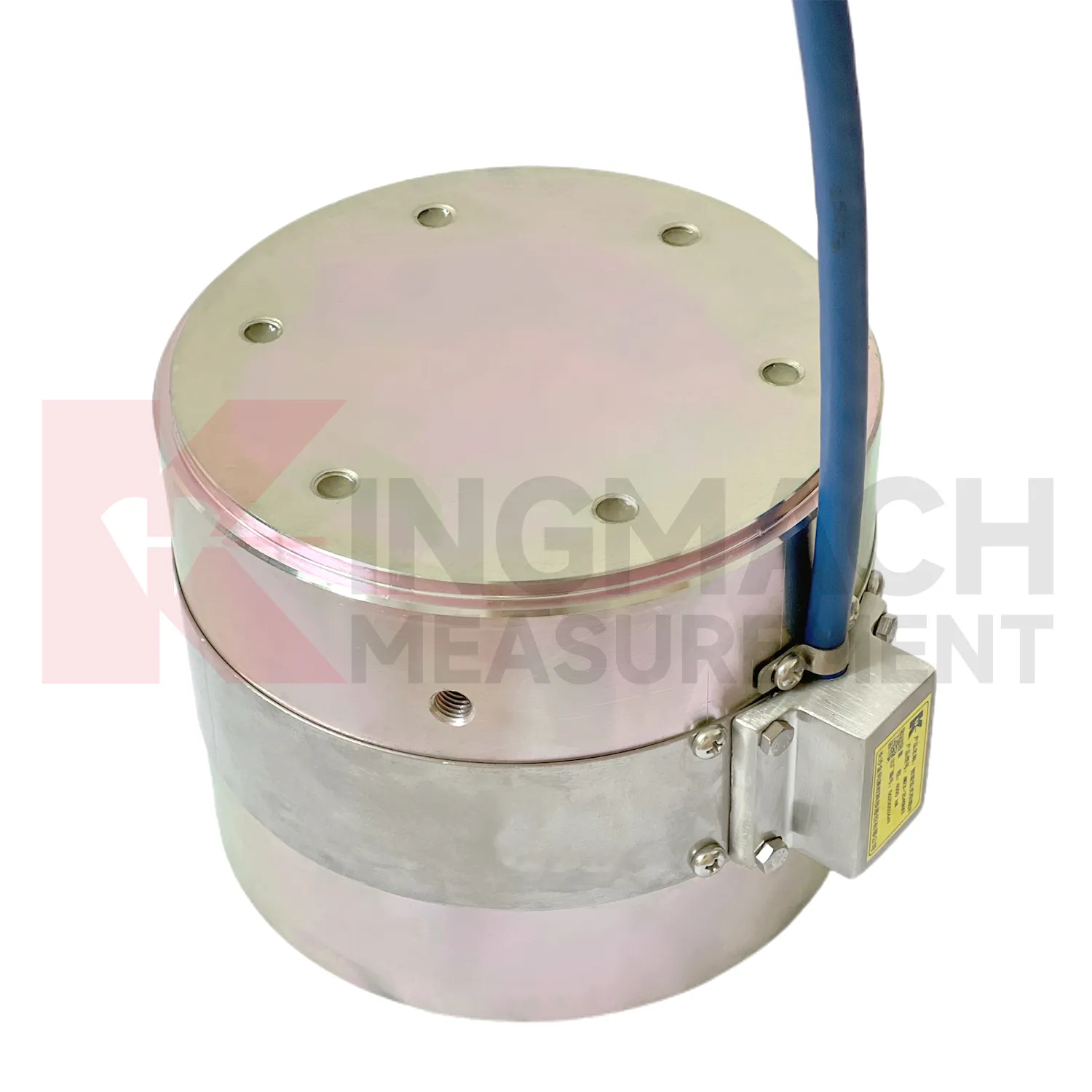
Solid load cell JMZX-34XXHAT、35XXHAT、36XXHAT
View DetailsFAQ
When properly installed and protected against lightning and surge damage, the core sensing element should last decades. The main failure modes are cable damage during fill placement and water ingress at the gland seal; we address these by offering reinforced cable armor and factory-tested pressure-tight connectors. Many units in our reference list have been functioning for over 15 years with stable zero drift.
Yes, as long as the cell is specified for the expected stress levels during both phases. For instance, during heavy compaction you might temporarily exceed the long-term design stress; select a range that covers these transient peaks without losing resolution on the lower operational readings. We can advise on the trade-off between range and sensitivity based on your load history.
Hydraulic cells are often preferred for dynamic stress measurement and in environments where electromagnetic interference is high. Vibrating wire cells are favored for long-term, static monitoring because the frequency signal is inherently stable over long cables and immune to resistance changes. Kingmach manufactures both types, and we can help match the sensor to your data acquisition infrastructure and project duration.
The key is to ensure the sensing face sits exactly at the excavated profile, directly against the rock or soil. We provide a protective mounting frame that keeps the cell in position during spraying and prevents the shotcrete from bridging over the cell. Also, the cable must be routed away from the nozzle path to avoid tearing. Our installation guidelines include sketches for common tunnel cross-sections.
Every cell is supplied with a calibration sheet showing the applied pressure vs. output at multiple load points, traceable to international standards. We can also provide a factory certificate if your contract requires it. For critical projects, we recommend a field validation using a hydraulic load test against a reference gauge.
Share your product type, target capacity, and application requirements. Our team can review the details and recommend a practical next step.
If you are interested in our products or want to become our partner.
Please leave your contact information, our team will contact you as soon as possible.
Mail: [email protected]
Contact Us: +8613808434127
Address: No. 188 Tongzipo West Rd, Changsha, Hunan, China