
 EN
EN
 ar
ar bg
bg hr
hr cs
cs da
da nl
nl fi
fi fr
fr de
de el
el hi
hi it
it ko
ko no
no pl
pl pt
pt ro
ro ru
ru es
es sv
sv tl
tl iw
iw id
id lv
lv lt
lt sr
sr sk
sk sl
sl uk
uk vi
vi et
et hu
hu th
th tr
tr fa
fa ms
ms hy
hy ka
ka ur
ur bn
bn mn
mn ta
ta kk
kk uz
uz ku
ku
Wire Draw Encoder
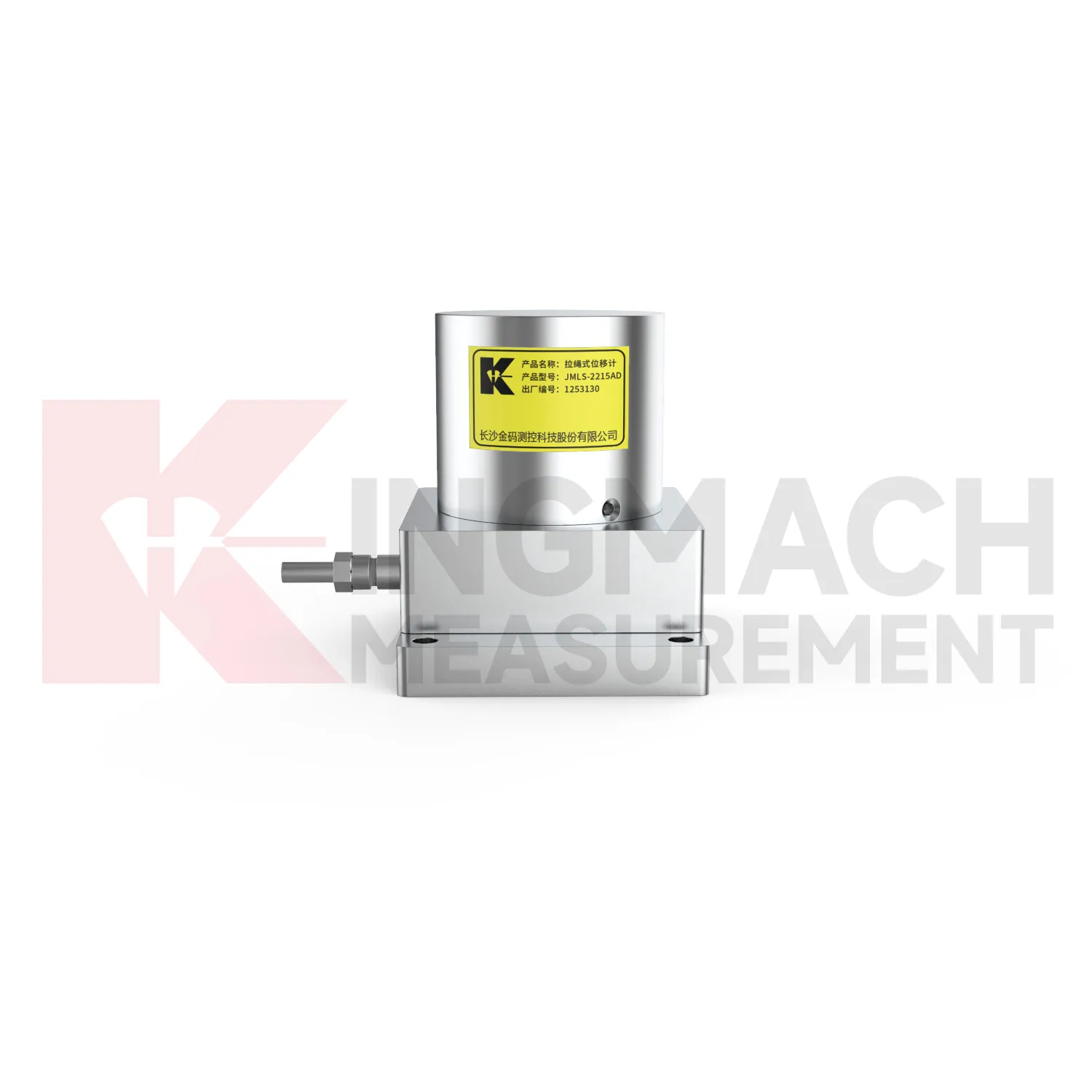
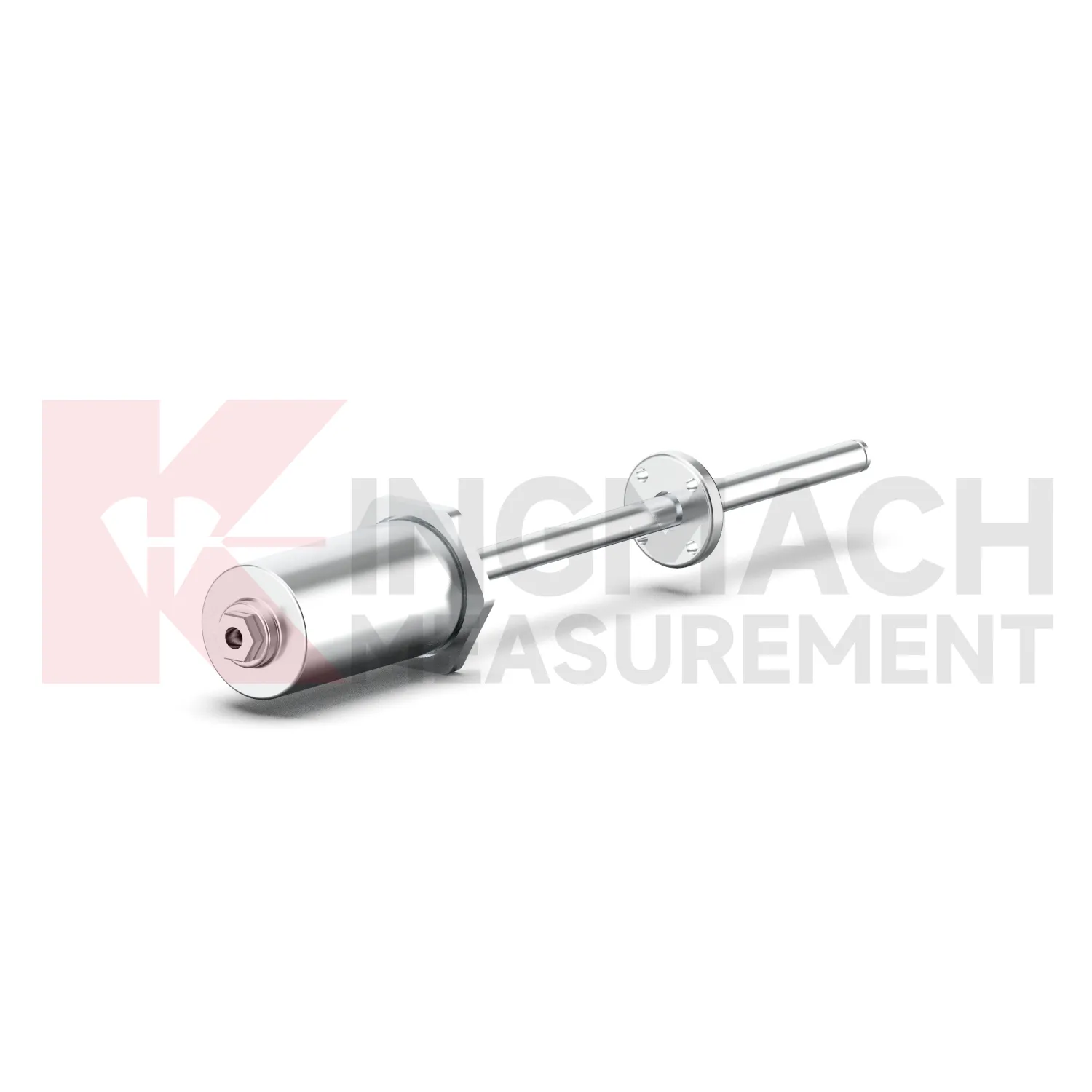
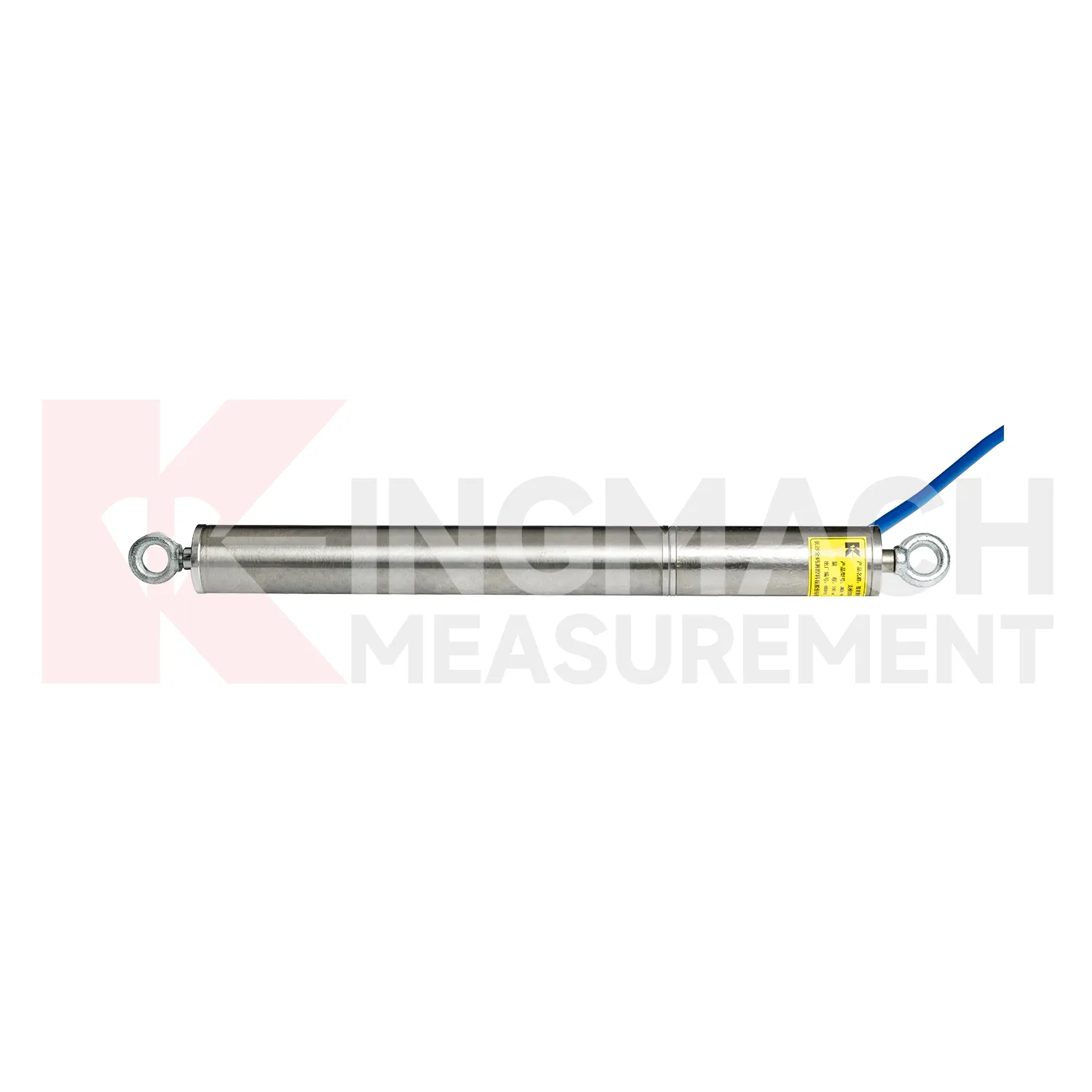
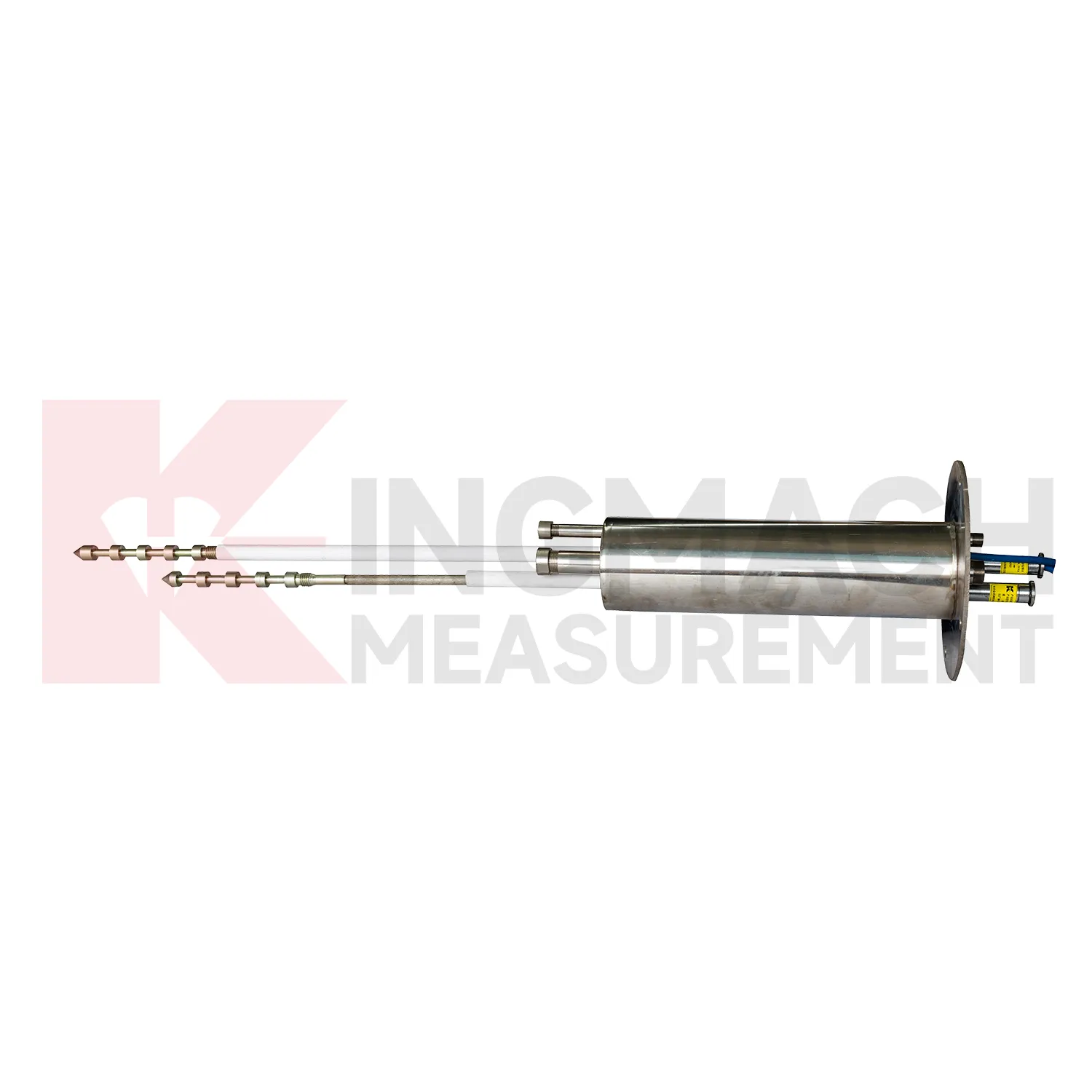
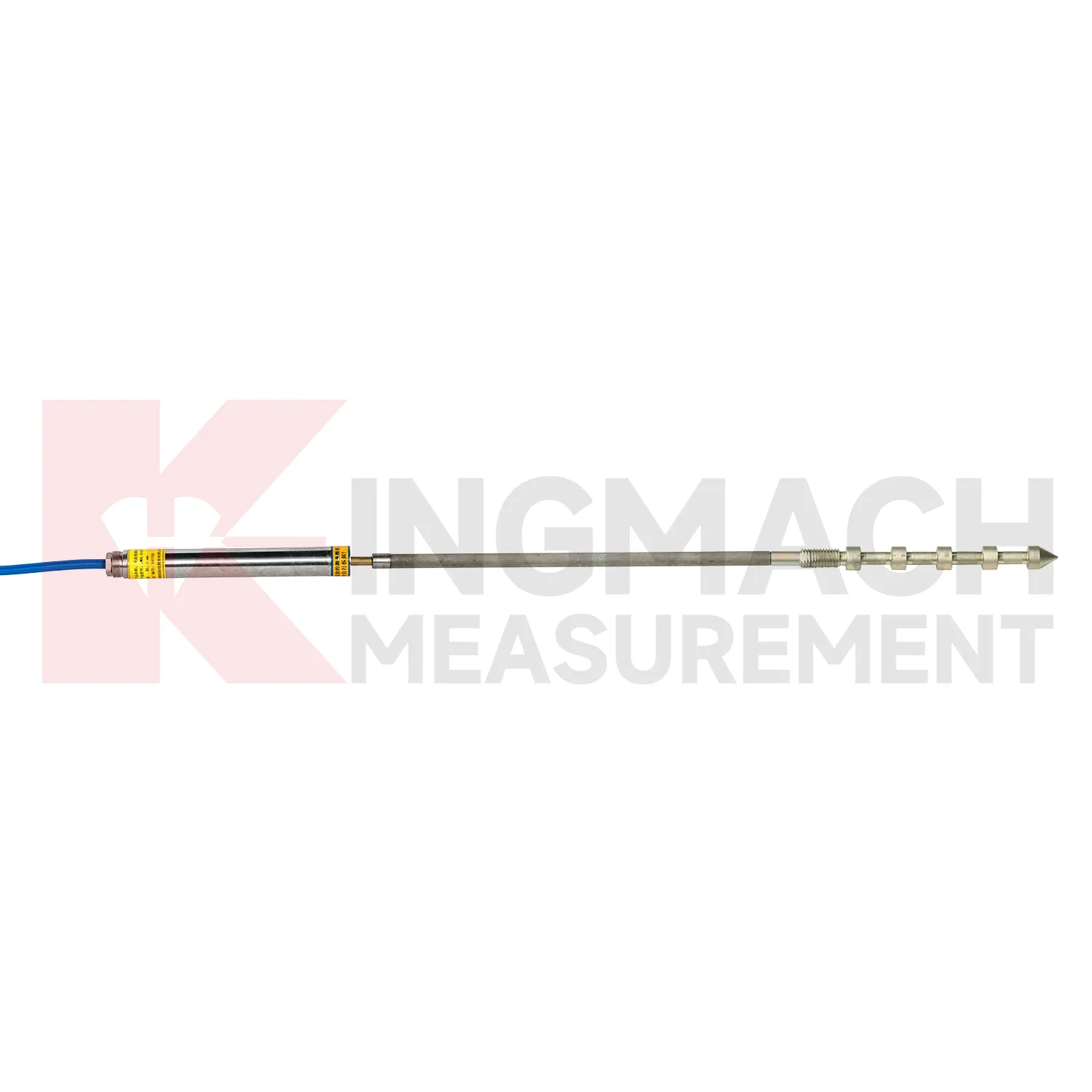
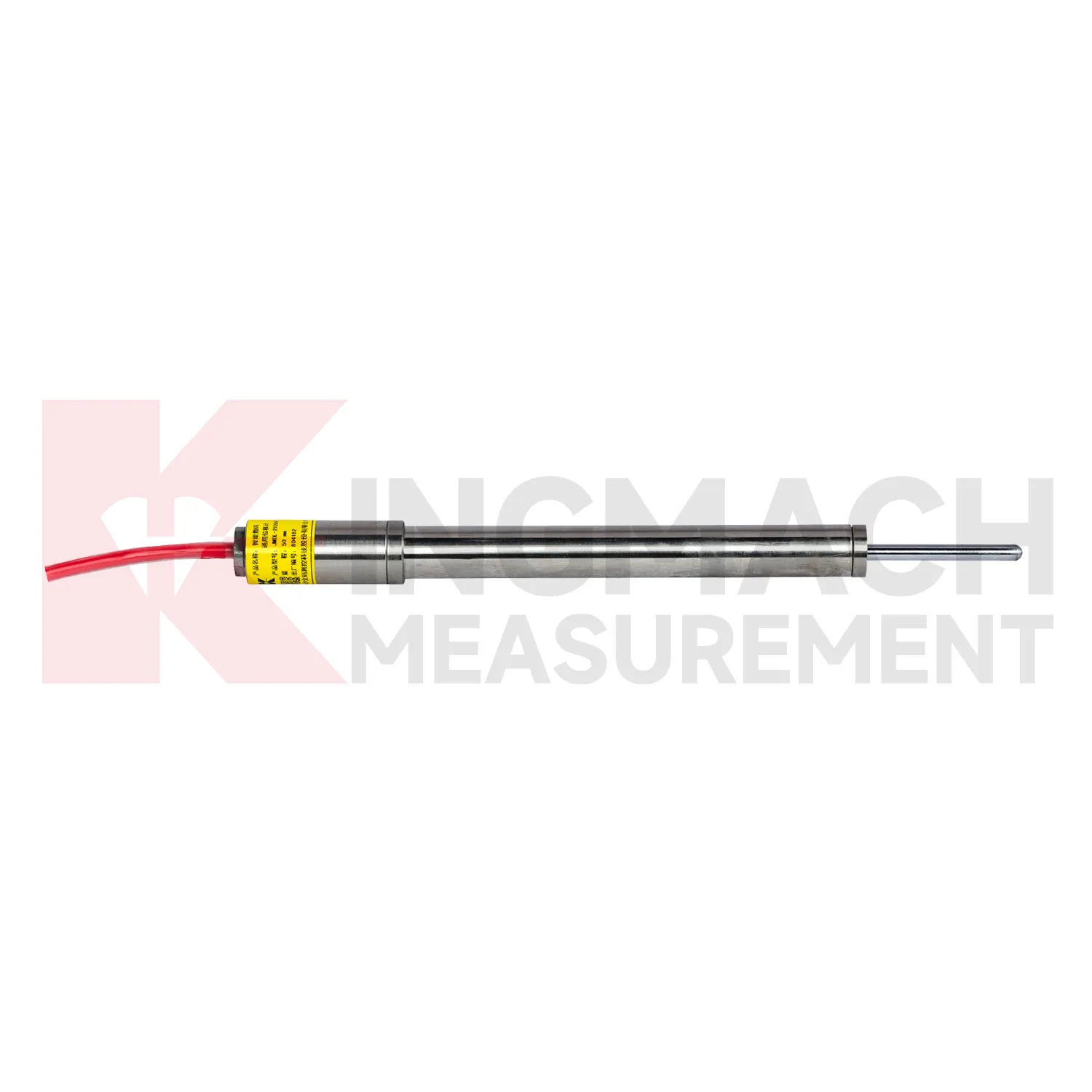
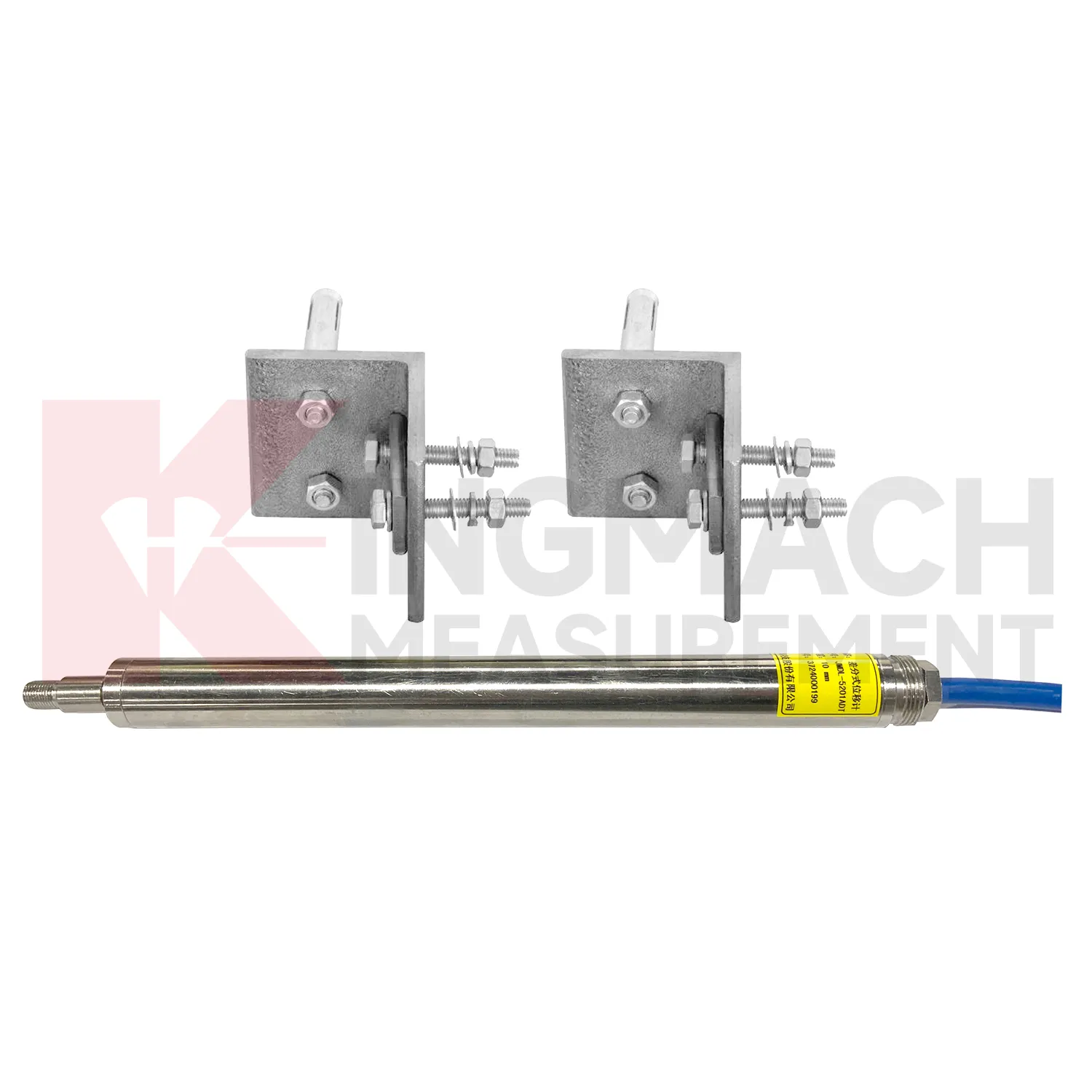
The JMDL-32XXAT Smart Single-Point Bedrock Displacement Meter extends Kingmach Wire Draw Encoder into embedded rock and foundation monitoring. It is designed for tunnel rock mass deformation, dam bedrock deformation, slope sliding, and foundation pit face movement. The assembly includes a flange, electrical displacement sensor, tie rod, anchor head, and PVC pipe, forming a practical embedded instrument for single-depth displacement. Listed models include 50 mm, 100 mm, and 200 mm ranges, each with 0.01 mm resolution. Product information lists displacement accuracy of 0.5%FS, temperature accuracy of plus or minus 0.5 degrees Celsius, and an operating temperature range from -30 degrees Celsius to +80 degrees Celsius. This product is useful where the monitoring point needs to be anchored into a known layer rather than mounted only on a visible surface. In tunnels, dams, slopes, and deep excavations, that embedded layout helps link surface observations with movement inside the rock or foundation body. During project setup, the measuring point should be matched with the expected travel direction, available mounting space, cable route, and required acquisition interval. This prevents a short-range joint instrument from being used on a long-travel point, or an exposed sensor from being placed where an embedded anchor is needed. It also helps the monitoring team set a baseline that can be defended during acceptance and later maintenance review.
Application of Wire Draw Encoder
In integrated structural health monitoring, Wire Draw Encoder act as the movement layer inside a wider measurement network. Their role is to show where a point has shifted, how fast the shift is developing, and whether the change agrees with other instruments. Kingmach displacement products can feed digital records into acquisition units and monitoring platforms, while related Kingmach product groups provide strain, load, settlement, tilt, vibration, pore pressure, water level, rainfall, data logging, cables, and software. A practical system may use JMDL-52XXADT meters for precise joint travel, JMDL-31XXAT meters for rock layers, JMDL-24XXAT meters for buried geogrid deformation, and JMLS-22XXADT sensors for longer cable travel. The data chain should define point names, units, zero values, sampling intervals, warning grades, and inspection actions before alarms are enabled. This prevents a displacement curve from becoming an isolated chart. Instead, the reading can be checked beside force, strain, settlement, temperature, rainfall, and construction records, giving engineers a clearer basis for maintenance and warning review. During commissioning, each curve should be verified against the physical point so later reports can be trusted by site teams, designers, and owners. The same record should also note cabinet number, logger channel, cable tag, power supply, and communication route, because many long-term data problems begin outside the sensor body.
The future of Wire Draw Encoder
The future of Wire Draw Encoder will be shaped by connected monitoring rather than isolated field readings. Kingmach products already include digital detection, RS485 communication on selected models, built-in memory, stored calibration data, and compatibility with automatic acquisition systems. The next practical step is cleaner connection between the sensor identity, the monitoring point, and the platform curve. A displacement value should arrive with its model, serial number, range, calibration coefficient, zero value, temperature, and installation position. That will reduce channel errors and make later review faster. In bridges, tunnels, dams, slopes, and foundation pits, future systems will compare displacement with strain, load, tilt, settlement, rainfall, water level, and construction events. Warnings will depend less on a single limit and more on the pattern of movement across several related sensors. The strongest systems will still depend on careful installation, because digital tools cannot correct a loose bracket, wrong range, or poorly recorded baseline. Clear reporting will make displacement monitoring more useful for non-specialist decision makers while preserving the detail engineers need.
Care & Maintenance of Wire Draw Encoder
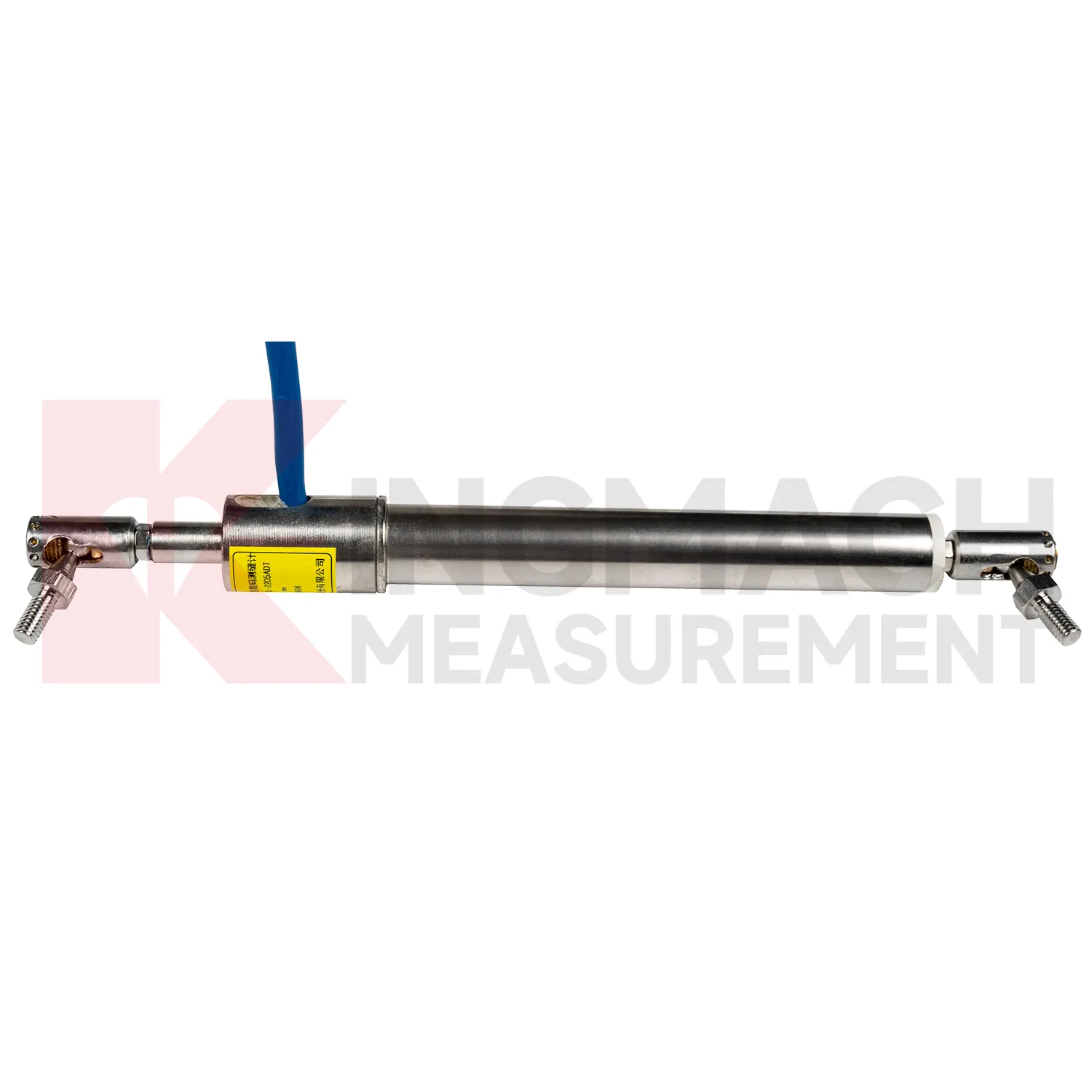
For Wire Draw Encoder installed at cracks, joints, and expansion joints, maintenance should focus on bracket stability, rod alignment, cable protection, and baseline traceability. Kingmach JMDL-22XXAT crack gauges may use different measuring rods and universal bases, so the mounting points must remain firm while the structure moves naturally. Avoid placing rods where they can be hit by workers, tools, vehicles, concrete debris, or repair materials. During inspections, check whether the crack edge has spalled, whether the base has loosened, whether water has entered the connector, and whether the displayed movement agrees with nearby observations. Because the product can store up to 600 measurement results, compare field readings with stored records before resetting values. If temperature versions are used, keep temperature data with displacement data so seasonal opening and structural movement are not confused. Keep the installation photo, point number, zero value, and expected movement direction with the commissioning record for later review. If a reading changes after maintenance work, inspect the base, anchor, cable, and cabinet before assuming the structure itself has moved.
Kingmach Wire Draw Encoder
In structural monitoring, Wire Draw Encoder should not be treated as single-purpose accessories. Kingmach displacement products can work with comprehensive testers, automatic acquisition systems, bus modules, RS485 output, and monitoring software, which allows movement data to sit beside strain, load, settlement, tilt, vibration, temperature, and water level. That combined view is important because displacement often has several causes. A tunnel crown reading may respond to excavation sequence, groundwater, lining age, or nearby traffic. A bridge joint may move with both temperature and bearing behavior. A slope reading may change after rainfall, blasting, or retaining wall loading. By using smart products with stored parameters and digital transmission, project teams reduce channel mix-ups and make later data review cleaner. The result is a monitoring chain where field installation, sensor identity, baseline readings, and platform curves can be checked against one another. The point should be named on the drawing, linked with its cable route, and checked against the expected movement direction before the first automatic reading is accepted. For daily review, the reading should be compared with nearby points, recent weather, site operations, and any loading event that could explain the movement.
FAQ
Q: What are Wire Draw Encoder used for?
A: They measure movement such as relative displacement, crack width, expansion joint travel, bedrock deformation, rock layer movement, geogrid deformation, formwork settlement, and equipment stroke.
Q: Which Kingmach models belong to this category?
A: Common models include JMDL-21XXAT, JMDL-22XXAT, JMDL-24XXAT, JMDL-31XXAT, JMDL-32XXAT, JMDL-49XXAT, JMDL-52XXADT, JMCW-21XXADT, and JMLS-22XXADT.
Q: What range should be selected first?
A: Start from the expected movement. Short joint monitoring may need 20 mm to 100 mm, while draw-wire or equipment travel may require 500 mm to 2000 mm.
Q: Can these products support remote monitoring?
A: Yes. Several Kingmach models support digital transmission, RS485 communication, automatic acquisition, integrated testers, or unattended monitoring systems.
Q: Why is the baseline reading important?
A: All later movement is compared against the starting point. The baseline should be recorded after the sensor, bracket, anchor, cable, and structure are stable.
Reviews
Joshua Clark
We ordered a full monitoring solution including sensors and data loggers. Everything works seamlessly together. Great supplier!
Robert Taylor
The weir flow meter is well-built and delivers accurate measurements. Great value for water management applications.
Latest Inquiries
To protect the privacy of our buyers, only public service email domains like Gmail, Yahoo, and MSN will be displayed. Additionally, only a limited portion of the inquiry content will be shown.
Mia***@gmail.comNetherlands
Dear team, we are interested in your readouts & data loggers compatible with multiple sensors. Do yo...
Emma***@gmail.comCanada
Dear Sir/Madam, we are interested in displacement transducers and settlement sensors for a geotechni...
Related product categories
- cable displacement sensor
- draw wire displacement sensor
- inductive displacement sensor
- lvdt displacement sensor
- inductive displacement sensors
- GNSS
- Integrated GNSS
- crack gauge monitor
- crack displacement transducers market
- custom displacement transducers
- application of displacement transducer
- displacement measurement transducer