
 EN
EN
 ar
ar bg
bg hr
hr cs
cs da
da nl
nl fi
fi fr
fr de
de el
el hi
hi it
it ko
ko no
no pl
pl pt
pt ro
ro ru
ru es
es sv
sv tl
tl iw
iw id
id lv
lv lt
lt sr
sr sk
sk sl
sl uk
uk vi
vi et
et hu
hu th
th tr
tr fa
fa ms
ms hy
hy ka
ka ur
ur bn
bn mn
mn ta
ta kk
kk uz
uz ku
ku
piezo electric accelerometer
Kingmach piezo electric accelerometer fits a complete dynamic monitoring workflow. The work starts with the structural question, then continues through mounting position, axis direction, cable route, acquisition settings, event naming, analysis method, and report review. Product pages may mention compact design, sealing, anti-interference, low-frequency performance, wide dynamic behavior, and compatibility with dynamic testing systems, but those features are useful only when they support the field task. Buyers can understand where the sensor goes, what motion it captures, and how that motion becomes a decision. The same principle guides installation: every point needs a purpose, every event needs a name, and every report needs to connect the waveform to the monitored asset.
For field teams, the record is strongest when the waveform is tied to a named event and a known physical point. The note can state what was operating, what changed on site, whether other instruments reacted, and whether the motion repeated under similar conditions.
A useful dynamic record needs both signal quality and site context. Mounting condition, axis direction, cable stability, acquisition timing, and event labeling all affect whether the data can support an engineering decision after review.
During interpretation, the team can compare the motion with nearby strain, displacement, tilt, load, wind, temperature, traffic, machinery, or construction notes. That wider view helps separate normal response from a pattern that needs inspection.
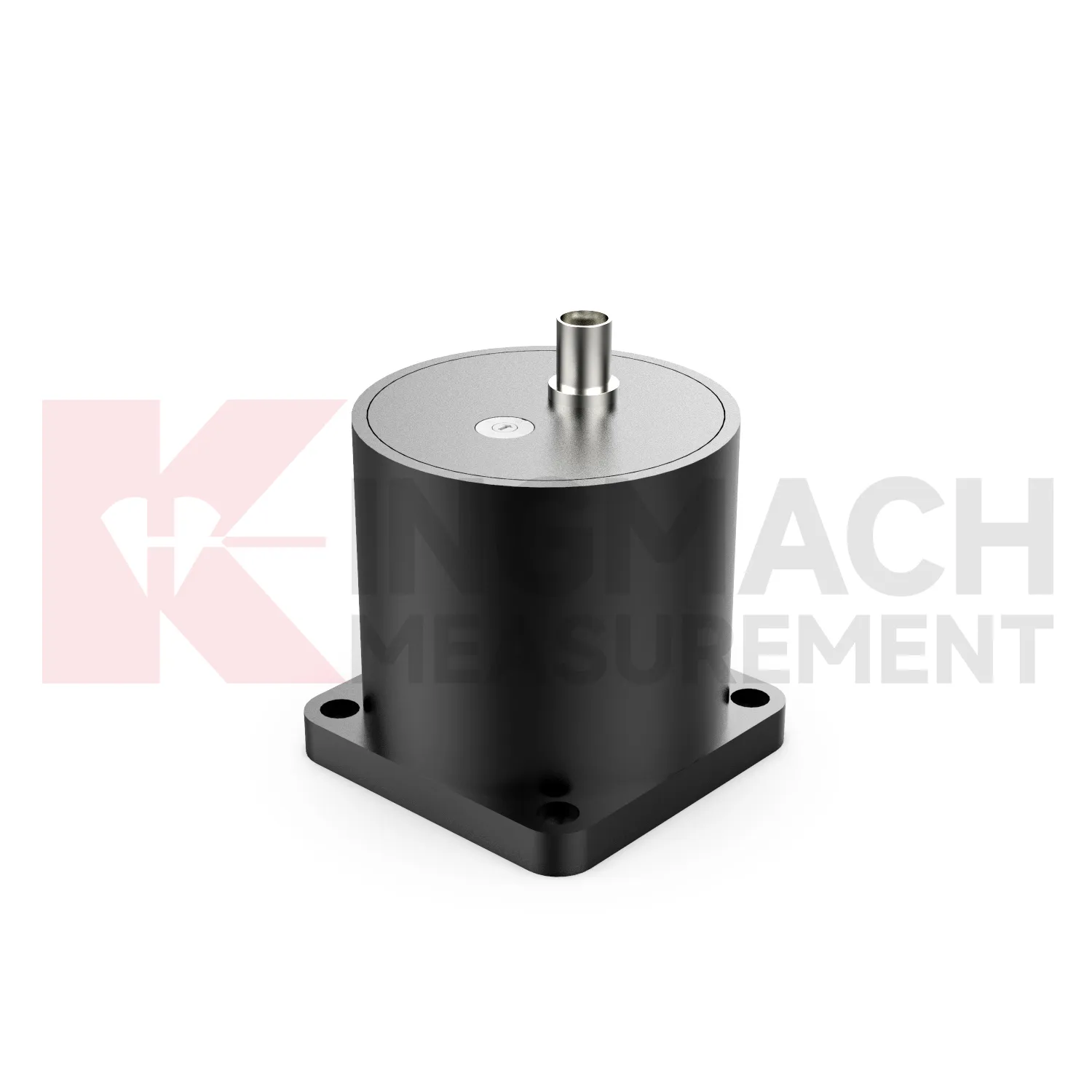
Application of piezo electric accelerometer
Machinery and industrial structures use Kingmach piezo electric accelerometer to record motion from rotating equipment, impact work, production lines, foundations, and support frames. The goal may be comfort, safety, fatigue review, machine condition, or structural response. A sensor should be mounted on a surface that carries the actual vibration, not on a loose cover or secondary panel. The record should note machine state, speed setting, operating cycle, and any maintenance event. Acceleration data is most useful when the engineer can compare normal operation with a changed vibration pattern. If the record is reviewed with noise, temperature, load, and maintenance notes, it can help identify whether a change came from the machine, its foundation, or the surrounding structure.
Industrial monitoring also needs a clear operating baseline. A production line during start-up, steady operation, shutdown, or maintenance may produce different motion. The report should say which condition was measured so a later change is not confused with a normal operating phase.
For machinery foundations, the sensor position should avoid covers, handrails, and panels that vibrate differently from the base. If maintenance changes the machine alignment, support, or operating speed, that note belongs beside the next vibration record.
Repeated measurements should use comparable operating conditions whenever possible. If the plant changes process speed, adds equipment, repairs a foundation, or changes nearby supports, the vibration trend should be reviewed with that history before any judgment is made.
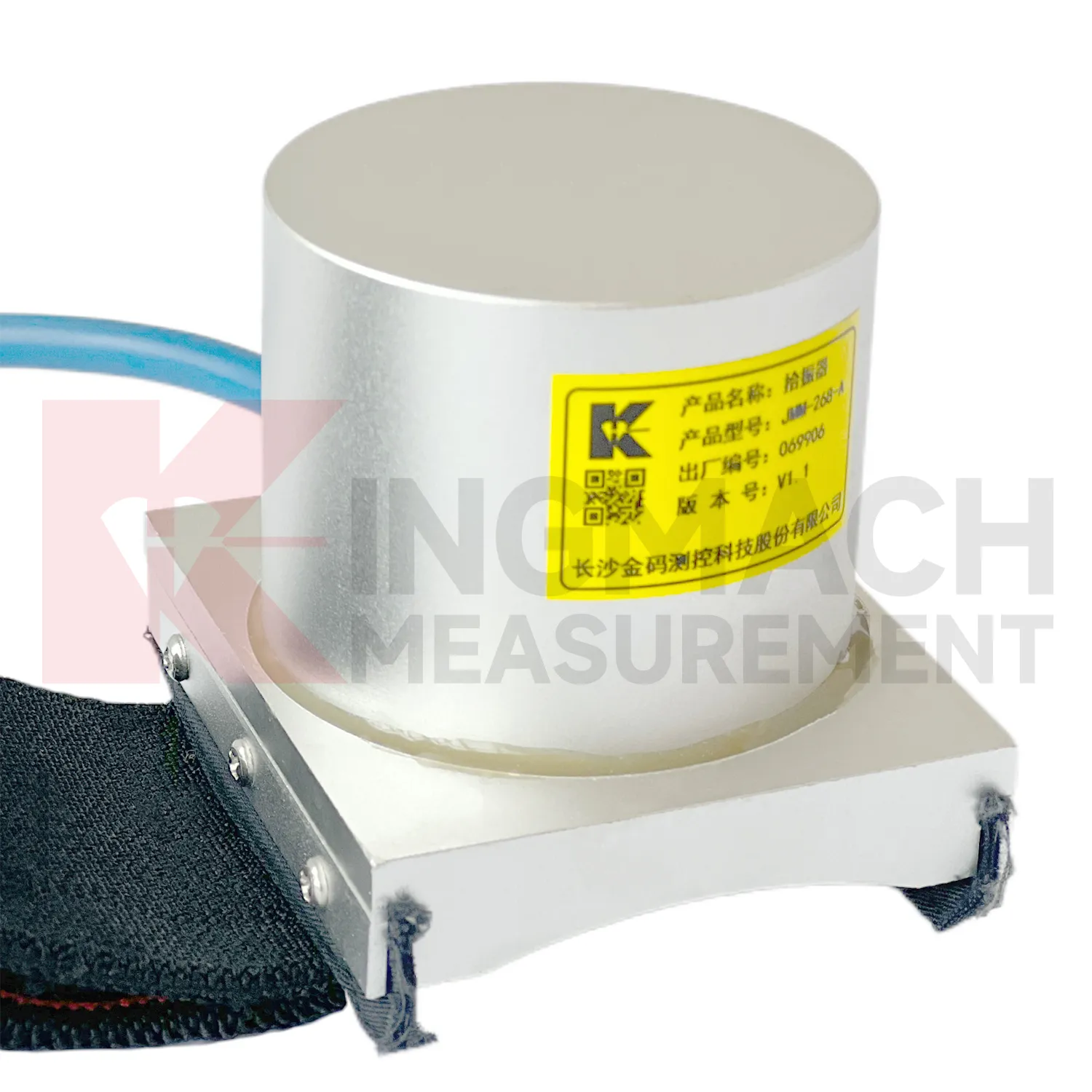
The future of piezo electric accelerometer
The future of Kingmach piezo electric accelerometer will be shaped by clearer event-based monitoring. Instead of collecting motion data with no review plan, systems will increasingly tag traffic passages, wind events, blasts, impacts, machine start-ups, and seismic records. The useful record will show what happened, where it happened, and how the structure responded. Kingmach acceleration and vibration measurement can fit this direction when sensors, acquisition, and analysis are designed as one chain. Better event naming will make reports easier to read and decisions faster. It will also help long-term asset teams compare one event with another, rather than treating every waveform as a separate technical file.
During interpretation, the team should compare the motion with nearby strain, displacement, tilt, load, wind, temperature, traffic, machinery, or construction notes. That wider view helps separate normal response from a pattern that needs inspection.
If the reading changes suddenly, the first check should include the sensor attachment, cable route, connector, channel name, and recent field activity. This prevents a maintenance issue from being mistaken for structural behavior.
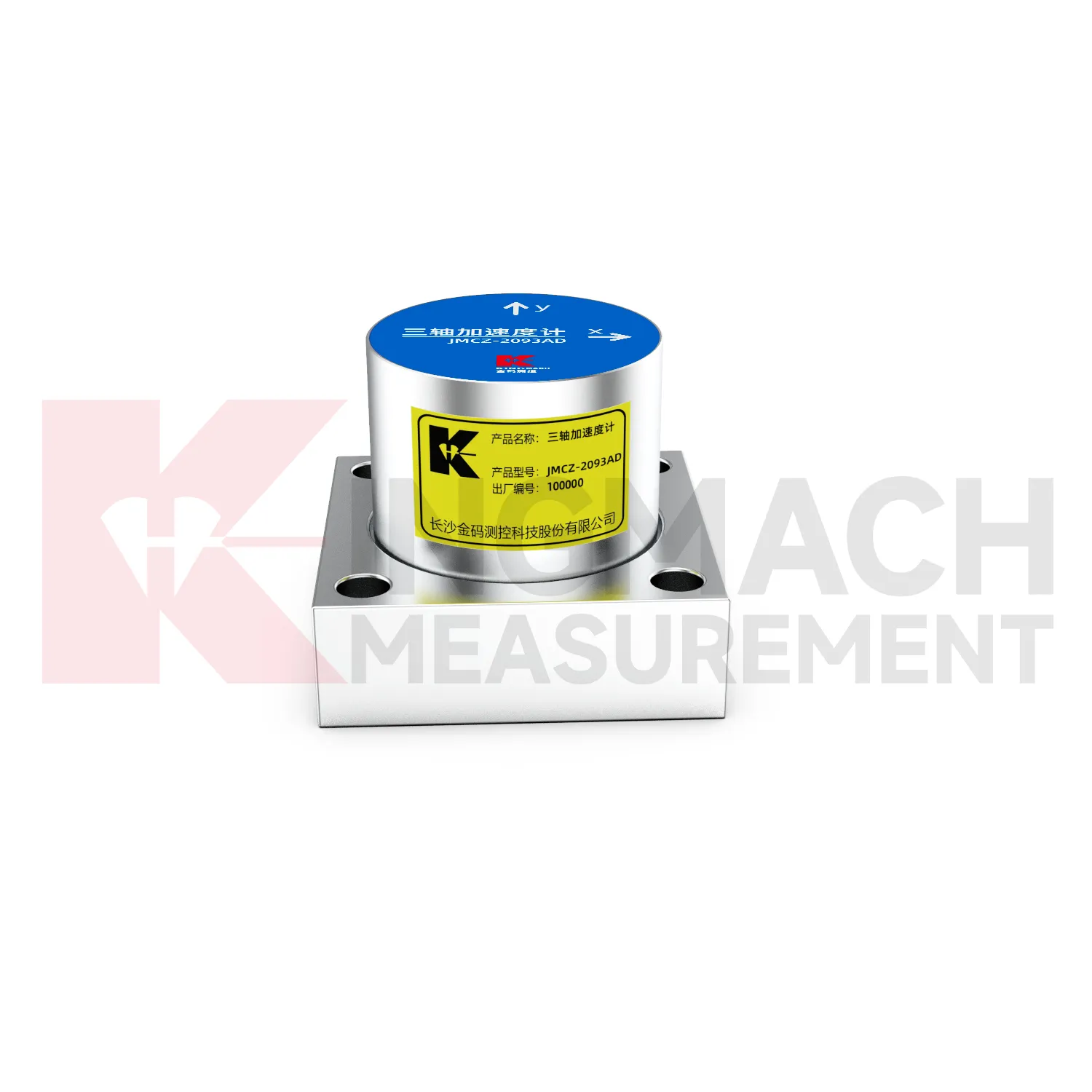
Care & Maintenance of piezo electric accelerometer
Care and maintenance of Kingmach piezo electric accelerometer should begin with mounting. The sensor must be fixed to a surface that moves with the structure being measured. Loose bolts, flexible plates, paint layers, temporary brackets, or nearby cable vibration can all create misleading data. Before acceptance, record the mounting location, surface condition, axis direction, and first test record. During inspection, check that the sensor has not been struck, loosened, covered, or moved. Good mounting care protects the meaning of every later waveform. If the point is disturbed, the maintenance record should say when it happened and whether the following data remains comparable.
During interpretation, the team should compare the motion with nearby strain, displacement, tilt, load, wind, temperature, traffic, machinery, or construction notes. That wider view helps separate normal response from a pattern that needs inspection.
If the reading changes suddenly, the first check should include the sensor attachment, cable route, connector, channel name, and recent field activity. This prevents a maintenance issue from being mistaken for structural behavior.
Kingmach piezo electric accelerometer
Kingmach piezo electric accelerometer help engineering teams understand vibration risk rather than simply collect motion traces. In bridge, tunnel, building, railway, machinery, and ground-motion work, acceleration data shows how a structure moves when traffic, wind, machinery, blasting, earthquake activity, or cable vibration occurs. The useful result is not just a waveform; it is a record that shows frequency, response level, timing, and whether movement is repeating or changing. Dynamic monitoring is especially useful when movement is too quick for visual inspection or too subtle to judge by touch. When acceleration records are reviewed with inspection notes, environmental conditions, and related structural instruments, engineers can separate normal operating response from behavior that requires attention. This makes vibration measurement part of a practical safety and maintenance process.
For field teams, the record is strongest when the waveform is tied to a named event and a known physical point. The note should state what was operating, what changed on site, whether other instruments reacted, and whether the motion repeated under similar conditions.
FAQ
Q: How should a sensor position be selected?
A: Place it where the structure actually moves and where the record answers a clear engineering question.
Q: Why is mounting important?
A: Loose mounting can create a false vibration signal, so the sensor must be fixed to a stable surface.
Q: Why does axis direction matter?
A: The waveform only has meaning when reviewers know whether it represents vertical, lateral, longitudinal, or multi-direction motion.
Q:What should be recorded at installation?
A: Record point name, mounting face, axis direction, cable route, acquisition channel, first test record, and photos.
Q: Can sensors be moved after installation?
A: They can, but the move date, reason, new position, and new baseline test should remain visible in the record.
If the reading changes suddenly, the first check should include the sensor attachment, cable route, connector, channel name, and recent field activity. This prevents a maintenance issue from being mistaken for structural behavior.
Reviews
David Wilson
We purchased displacement transducers and settlement sensors, and the quality exceeded our expectations. Easy installation and reliable performance.
Michael Anderson
The strain gauges and load cells are extremely accurate and stable. They performed very well in our bridge monitoring project. Highly recommended!
Latest Inquiries
To protect the privacy of our buyers, only public service email domains like Gmail, Yahoo, and MSN will be displayed. Additionally, only a limited portion of the inquiry content will be shown.
Ava***@gmail.comAustralia
Hi, I am looking for reliable tiltmeters and accelerometers for structural health monitoring. Please...
Evelyn***@gmail.comSouth Africa
Hi, we are a contractor working on tunnel construction and need settlement sensors and displacement ...