
 EN
 ar
 bg
 hr
 cs
 da
 nl
 fi
 fr
 de
 el
 hi
 it
 ko
 no
 pl
 pt
 ro
 ru
 es
 sv
 tl
 iw
 id
 lv
 lt
 sr
 sk
 sl
 uk
 vi
 et
 hu
 th
 tr
 fa
 ms
 hy
 ka
 ur
 bn
 mn
 ta
 kk
 uz
 ku

surface strain sensor market
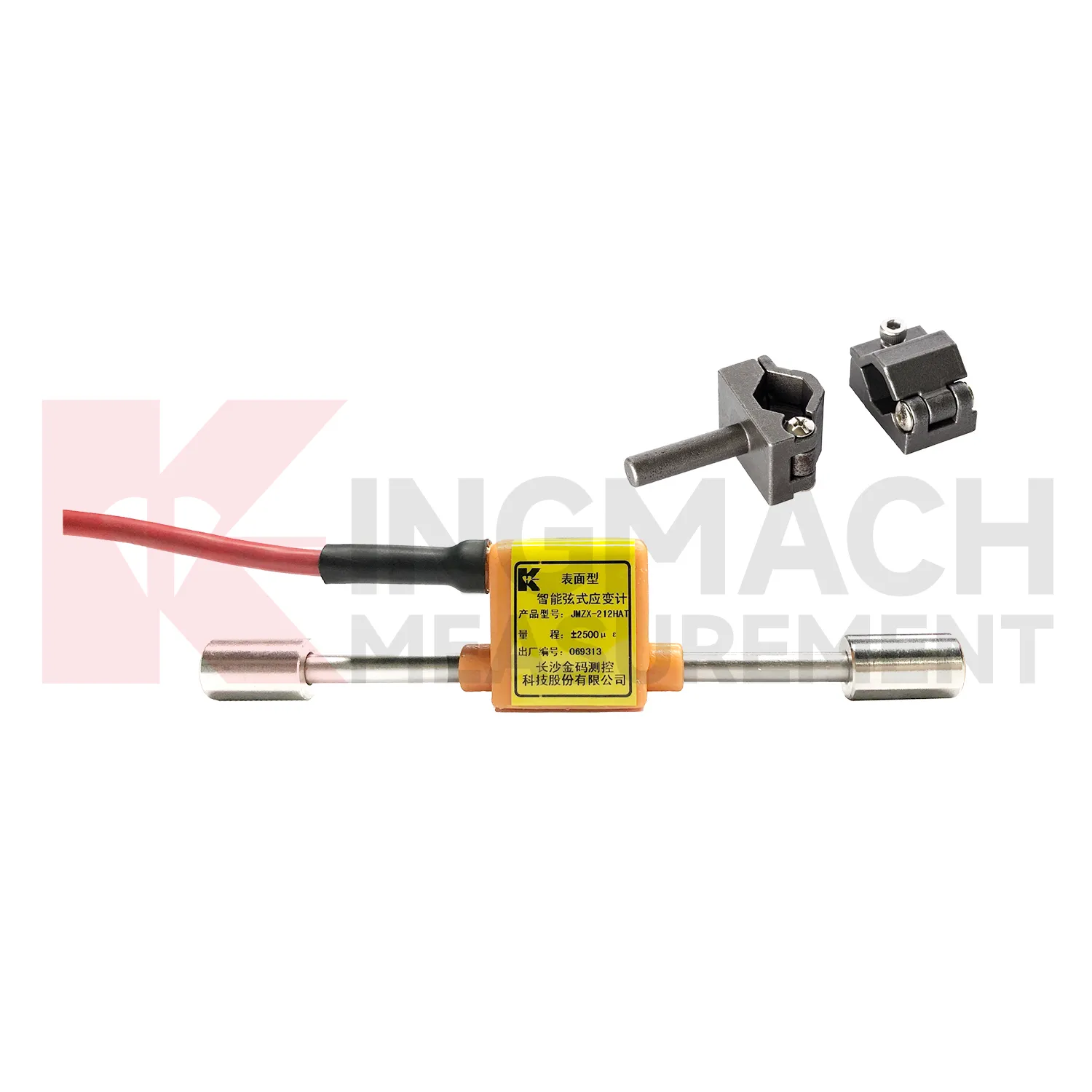
When buyers compare {keyword}, they often look for accuracy, range, waterproofing, installation method, and data output. Kingmach's strain gauge range answers those points with models for surface mounting, embedment, welded steel surfaces, and rebar stress measurement. The JMZX-212HAT/HB surface model reaches ±2500 microstrain with 0.5%F.S. accuracy and 0.1 microstrain resolution. The JMZX-215HA/215HAT/HB embedded model is designed for concrete internal strain and uses a lightweight, high sensitivity structure that can observe shrinkage and creep during early concrete setting. The JMZX-4XXHAT/HB rebar strainmeter covers -200 MPa to 350 MPa with 2 MPa waterproof performance. These specifications help engineers match product form to the monitoring point, whether the concern is steel surface stress, concrete internal strain, reinforcement stress, or automated long term data collection. These parameters help engineers avoid overgeneral selection. A surface model, embedded model, welded model, and rebar strainmeter solve different installation problems, so the final decision should consider material, access, concrete stage, steel surface condition, and expected service life. For field teams, those details also shape installation tools, spare cable length, readout selection, and protection work. They also help the owner decide whether manual reading, scheduled logging, or unattended monitoring is the better operating method.
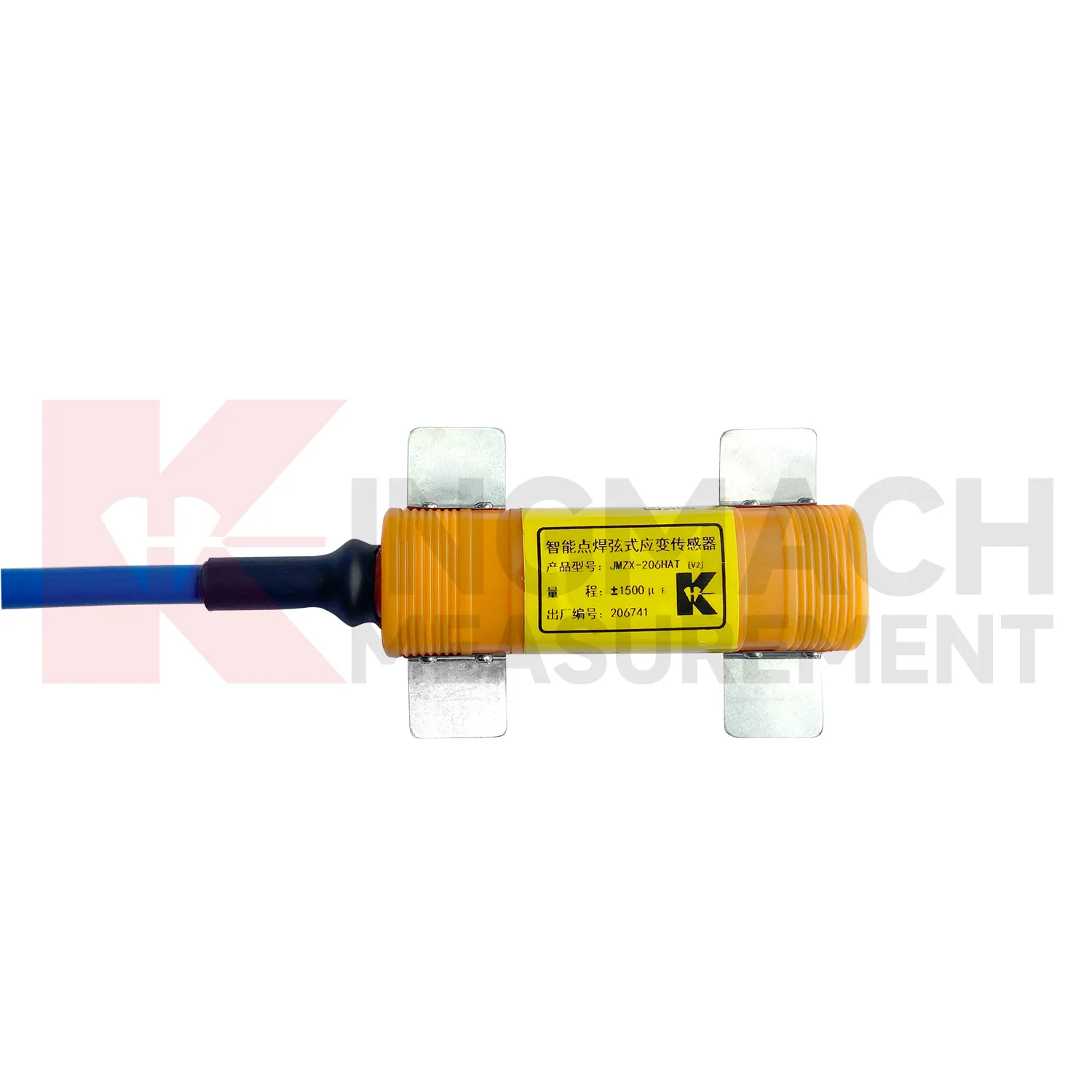
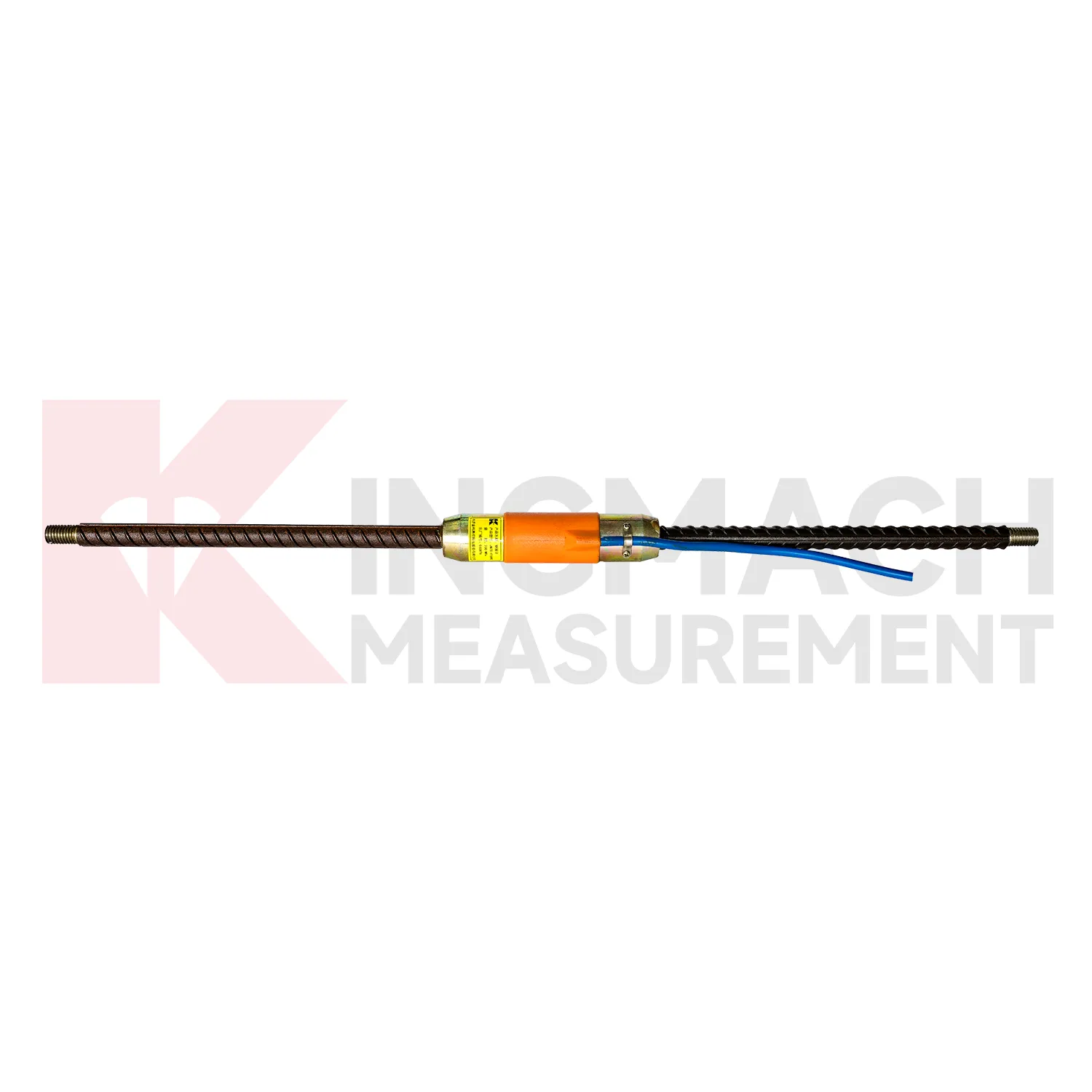
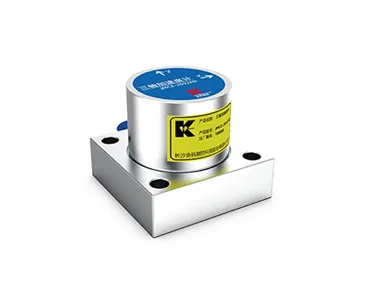
Application of surface strain sensor market
In building structural health monitoring, {keyword} can be installed on columns, transfer beams, trusses, slabs, steel frames, and reinforced concrete members to observe stress changes under construction load, equipment load, settlement, wind, and long term service. Large stations, public buildings, and aging structures need this type of data because visible cracks may appear only after internal strain has already changed. Kingmach surface gauges provide ±2500 microstrain measurement with 0.1 microstrain resolution, while embedded models can be tied to rebar before concrete pouring to read internal strain and shrinkage. The optional temperature sensor supports correction across -40℃ to +120℃. For steel structures, the welded model's low height design helps reduce bending related strain error. These features support both construction stage monitoring and later maintenance review. The technical parameters support this use because the sensor must survive the structure's environment while still resolving small strain changes. Long term projects also need stable channel names, calibration records, and protected cable routes. This gives the project team a better way to separate normal behavior from a change that needs inspection. For field use, the strain point should be named, mapped, protected, and reviewed with nearby sensors before any alarm is judged. The same record can support staged construction control, post event inspection, and long term maintenance planning.
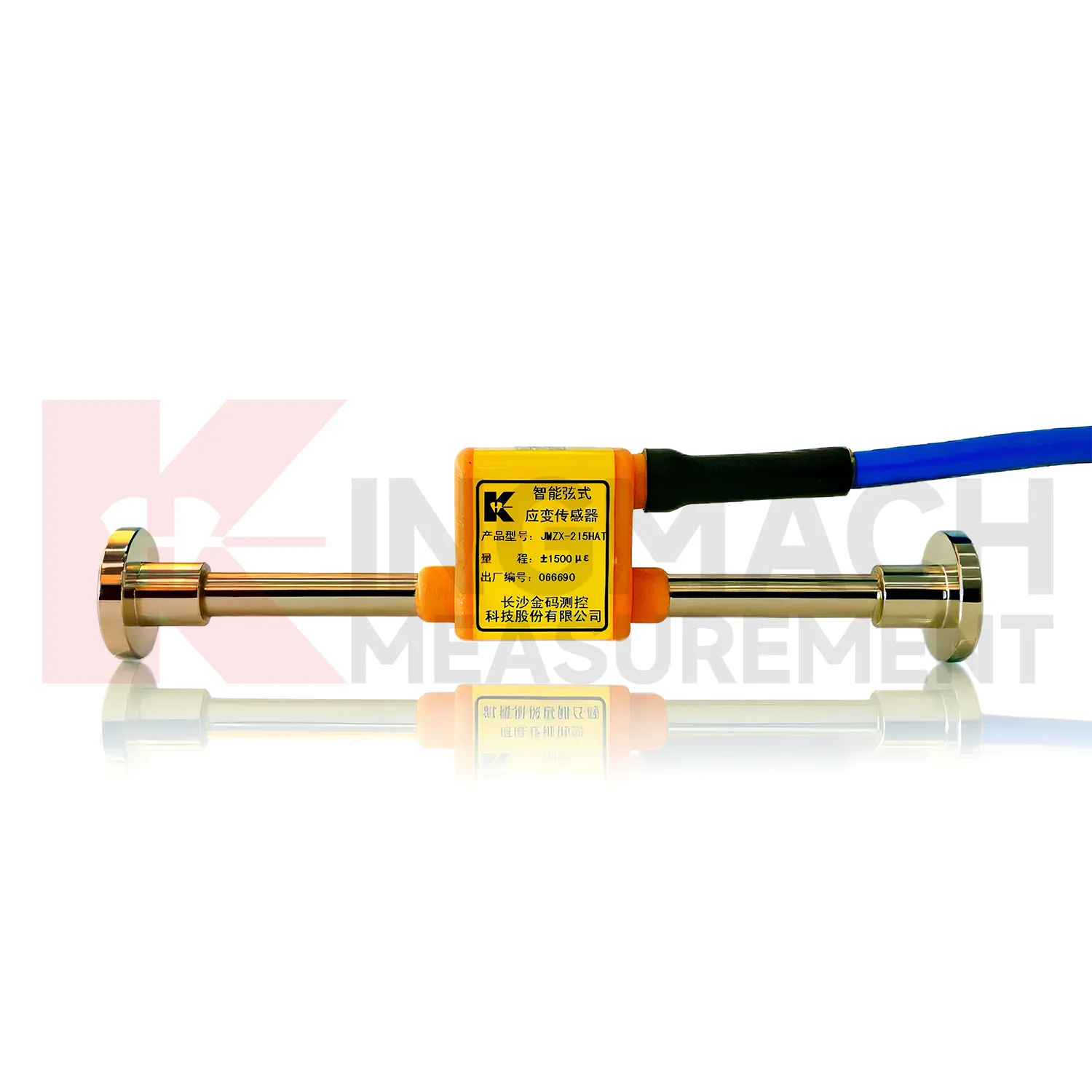
The future of surface strain sensor market
The future of {keyword} will move toward connected monitoring rather than isolated readings. Kingmach already pairs vibrating wire strain gauges with comprehensive readouts, automated acquisition systems, wireless loggers, DTUs, and cloud platforms. The next step is cleaner integration with IoT networks, where strain readings from bridges, tunnels, dams, and buildings can be checked beside displacement, settlement, vibration, temperature, and water pressure. 5G, LoRa, and low power edge devices will make remote projects easier to manage, especially on slopes, reservoirs, and transport corridors. The sensor still has to be installed correctly; technology will not fix poor bonding or a damaged cable. But better diagnostics, channel maps, and data timestamps can help engineers find problems earlier and keep long term records easier to trust. For Kingmach, that direction fits its existing mix of sensors, automated systems, and smart monitoring platforms. The product can stay close to field measurement while the data path becomes more connected.
Care & Maintenance of surface strain sensor market
For long term monitoring, {keyword} should be checked as part of the whole measurement chain, not only as a sensor body. Kingmach surface and embedded vibrating wire gauges provide 0.1 microstrain resolution and 0.5%F.S. accuracy, but those numbers depend on stable mounting, protected wiring, and correct acquisition settings. During use, review baseline trends, compare nearby channels, and note construction events, traffic changes, or temperature swings. Do not reset the baseline casually after unusual weather or heavy loading. For waterproof models rated to 150 meters, still inspect cable exits and seals because most field failures start at connection points. A clean, named, time stamped record is often the best maintenance tool. This is especially important when the gauge is embedded or welded, because replacement may be difficult after concrete pouring, coating work, rail service, or bridge operation has resumed. Review the channel after major site work. Replace damaged protection before water reaches the connection.
Kingmach surface strain sensor market
{keyword}can support both short term tests and permanent monitoring. During load testing, it helps confirm whether a beam, pile, support member, or force element responds as expected under controlled loading. During operation, it tracks strain changes caused by traffic, water pressure, ground movement, wind load, or equipment vibration. Kingmach's field experience across bridges, dams, tunnels, rail stations, slopes, and buildings makes the product group relevant to civil infrastructure rather than clean bench testing only. The best use begins with a clear measurement point, proper installation, protected cabling, and a data logger or platform that keeps the readings traceable. That makes the product information useful for surface gauges, embedded gauges, welded gauges, and rebar strainmeters without losing technical sense. That field record supports later inspection. It also gives engineers a cleaner baseline for later comparison. The same data can guide inspection notes and repair timing. Site records matter.
FAQ
Q: What is the difference between surface and embedded {keyword}?
A: Surface models read strain on accessible concrete or steel surfaces, while embedded models are tied to rebar or brackets before concrete is poured.
Q: What is the difference between welded gauges and bonded gauges?
A: Welded gauges are fixed to prepared steel by spot welding, which can be more suitable for long term steel structure monitoring in some field conditions.
Q: Why use a vibrating wire design?
A: Vibrating wire signals can transmit over long distances with strong anti interference performance, which suits civil infrastructure monitoring.
Q: What does 0.1 microstrain resolution mean?
A: It means the instrument can distinguish very small strain changes, provided installation, cabling, acquisition, and environmental correction are handled correctly.
Q: Can it be used with digital platforms?
A: Yes. Strain readings can be sent through acquisition hardware to monitoring platforms for trend review, alarms, and comparison with other sensor data.
Reviews
Andrew Lee
The visualization software is intuitive and powerful. It helps us analyze monitoring data efficiently.
Matthew Garcia
Instrumentation cables are durable and perform well even in harsh environments. Will definitely order again.
Latest Inquiries
To protect the privacy of our buyers, only public service email domains like Gmail, Yahoo, and MSN will be displayed. Additionally, only a limited portion of the inquiry content will be shown.
Mia***@gmail.comNetherlands
Dear team, we are interested in your readouts & data loggers compatible with multiple sensors. Do yo...
Charlotte***@gmail.comUnited Arab Emirates
Hi, we require instrumentation cables suitable for harsh environments. Could you advise on specifica...
Related product categories
- strain sensors manufacturers
- surface strain sensor market
- wholesale strain gauge weight sensor
- strain gauge calibration
- strain gauge measurement
- strain gauge for weight measurement
- strain gauge pressure sensors
- strain gauge application
- strain gauge sensor application
- strain gauge sensor types
- strain gauge vibration sensor
- strain gauge weight sensor